





Field-tested Philosophy

What “Field-tested” Really Means
“Field-tested” is often associated with extreme conditions, elite athletes, or one-off expeditions.
At Topo Designs, it means something very different.
For us, field-tested means tested in real life.
In situations that repeat.
In conditions people actually face, every day.
Experience is not a story we tell after the fact. It is what guides how products are designed from the beginning. Real life is the testing ground, and it shapes everything we make.
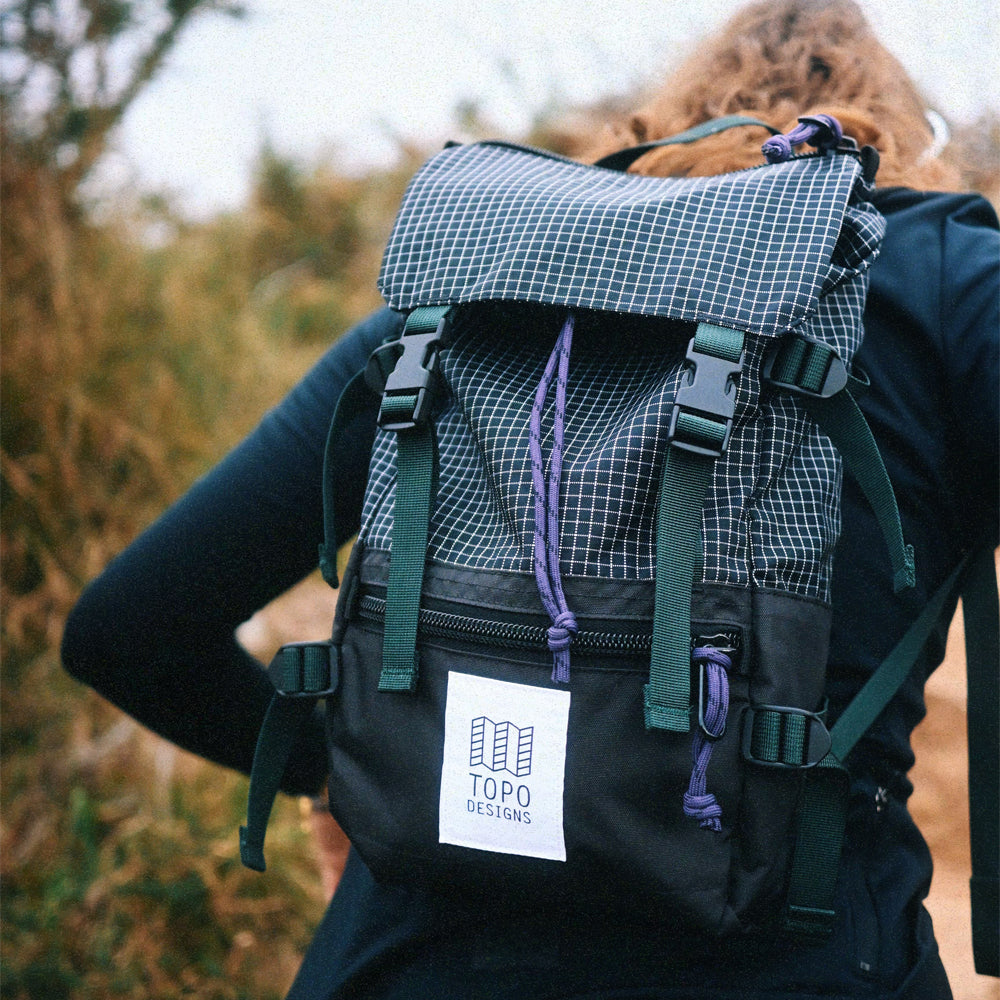
Real Life Is the Field
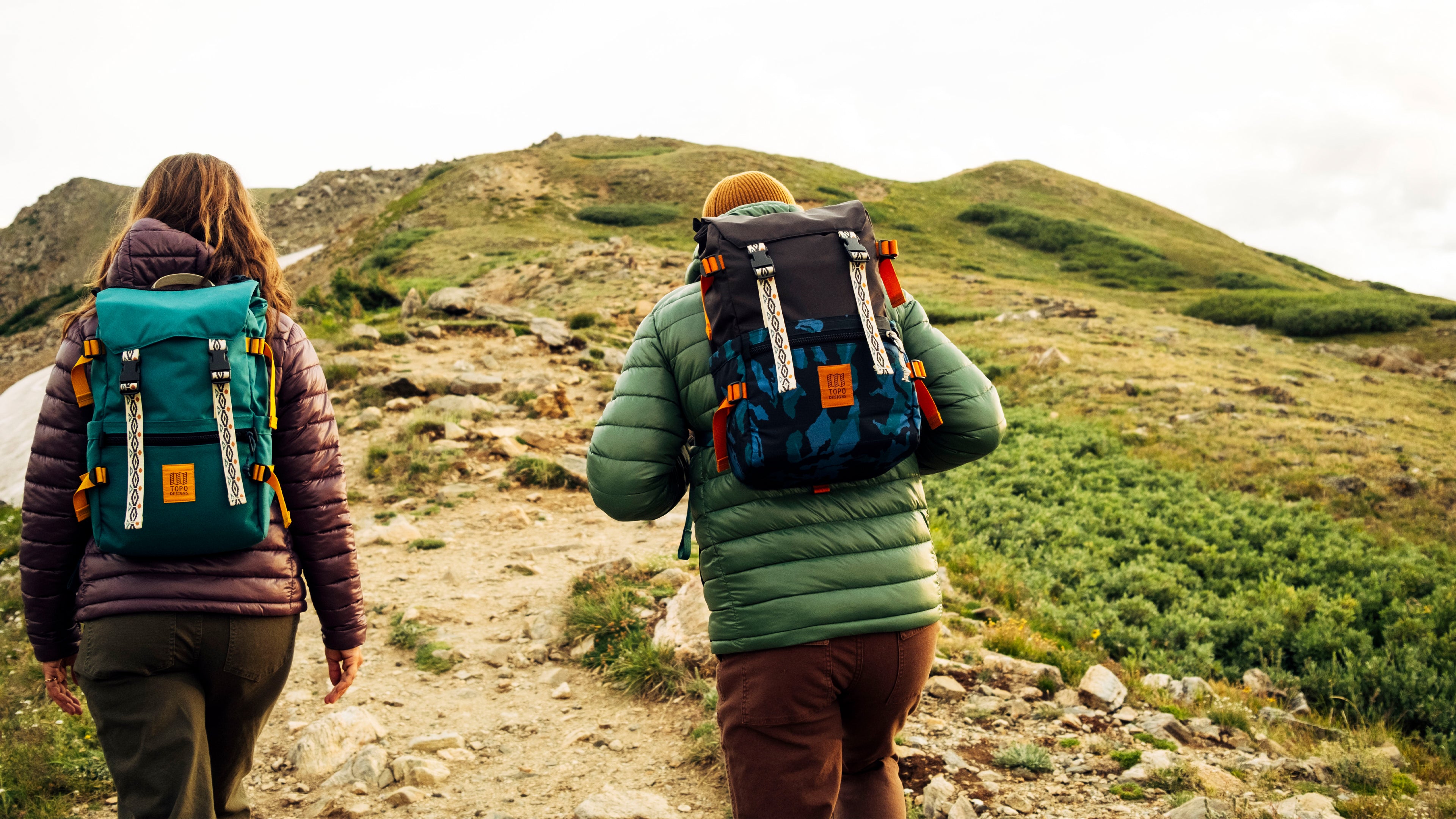
The field is not always remote or dramatic.
Most of the time, it looks familiar.
It is a daily commute across the city.
A bike ride in the rain.
A crowded train station.
A week of travel with changing plans.
The same bag used again and again, across months and years.
These environments matter because repetition reveals what single tests cannot. What works consistently. What causes friction. What holds up, and what does not.
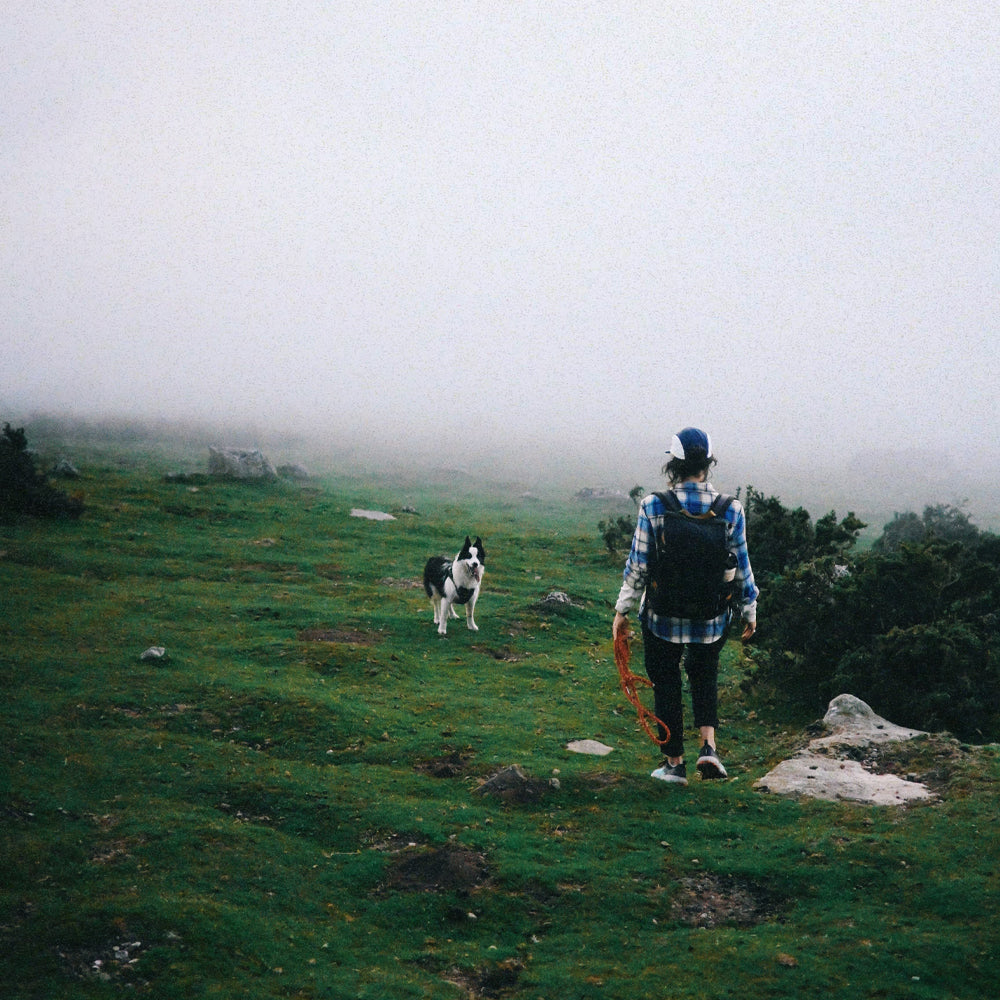
Learning Through Use
Design improves when it listens.
At Topo Designs, learning comes from observing how products are actually used. Where they wear first. What slows people down. Which details help, and which ones get in the way.
Use reveals pressure points that theory cannot predict. Zippers that are hard to access. Fabrics that age better than expected. Pockets that become essential over time.
These observations inform future decisions. They lead to refinement, adjustment, and better balance between simplicity and function.

Designed Over Time, Not Overnight
Time is one of the most important testing tools.
Long-term use shows how materials age, how construction holds up, and how products evolve alongside the people who use them. Wear patterns tell a story that no lab test can replace.
Topo Designs values patience and iteration. Products are refined over seasons and years, not rushed to meet short-term expectations.
Durability is learned slowly, through continued use.
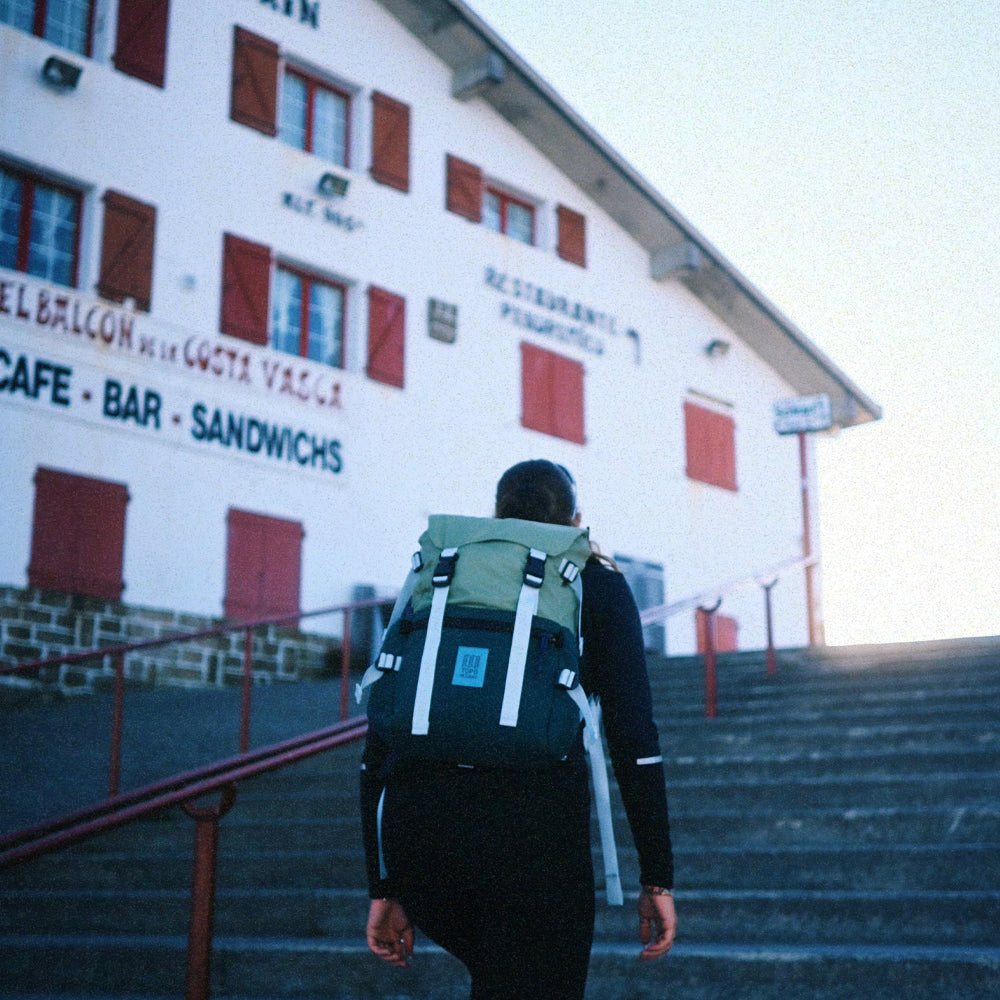
Versatility Proven by Reality
Versatility is not a design goal on paper. It is a result of experience.
When one product works across different situations, it is because it has been shaped by real constraints. Fewer specialized items. Fewer assumptions. More adaptability.
bag that works for commuting, travel, and everyday movement does so because it has been tested across those contexts, not designed for just one.
Simplicity emerges when experience guides design.

Experience as Responsibility
Testing products in real life carries responsibility.
When products are built to last and adapt, they stay in use longer. That reduces the need for constant replacement and unnecessary excess.
Experience-driven design supports more responsible choices. Not through claims, but through outcomes. Fewer discarded products. More trust in what people own.
Learning from use helps reduce waste and build gear that earns its place over time.

Field-tested, at Topo Designs, means tested where life happens.
In motion.
In repetition.
In everyday conditions.
This philosophy is rooted in listening, learning, and improving over time. It reflects a belief that experience leads to better decisions and more honest products.
Topo Designs creates gear shaped by use, guided by observation, and refined through real life. Designed not to impress on paper, but to work where it matters most.

With paypal pay in 4X free of charge