







How to Pack for a European Road Trip
Words and photographs by Amelia Le Brun, a photographer and writer based in the UK and a long-time Topo Designs traveller.
Quick answer. For a European road trip, pack a skeleton wardrobe you can layer rather than a bag for every scenario. Plan around one versatile travel bag, keep wet and dry gear separate, and carry the legal road kit your car needs abroad, a warning triangle, a hi-vis vest for each passenger and a UK identifier. Bring roughly a week of mix-and-match clothes and do laundry along the way.
A European road trip is the rare holiday where your kit list has two halves that rarely meet on the same page, what you wear across changing countries and climates, and what your car is legally required to carry the moment you leave the UK. This guide covers both, built around a three-week drive I made through Central Europe with Topo Designs, starting in Tuscany and heading north through Bavaria and the Black Forest to Belgium.

What should you pack for a European road trip?
Pack for one week, not for the whole trip, then plan to do laundry. A road trip tempts you to bring a bag for every scenario, but the clothes you actually wear are a small, repeatable set. Everything else is weight and clutter.
Here is the working packing list I keep coming back to, grouped so nothing important slips through:
| Category | What to pack | Why it earns its space |
|---|---|---|
| Documents | Passport, photocard licence, V5C logbook, insurance with European cover, travel insurance, GHIC | Missing one can mean a fine at the roadside or a refused ferry boarding |
| Clothes | About a week of mix-and-match layers, one smart-casual option, two pairs of shoes at most | Laundry beats volume, and two pairs of shoes cover every setting |
| Electronics | Phone, chargers, a power bank, a USB car adapter, plus UK and Type C or E plug adapters | The UK and most of the continent use different plug types |
| Toiletries and health | Compact wash kit, high-SPF sun cream, painkillers, any personal medication | Buy full-size items on arrival rather than carrying them across borders |
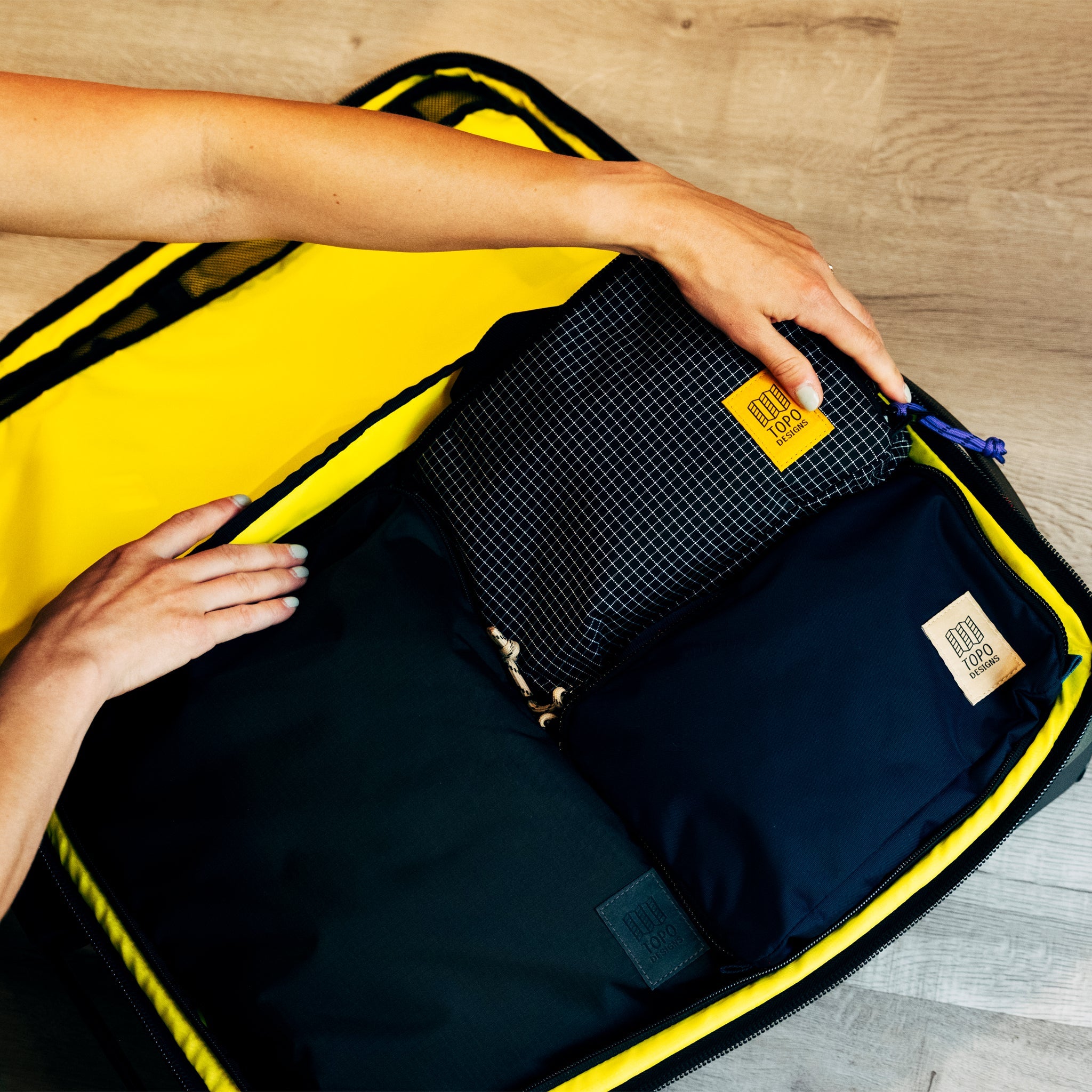
| Organisation | Packing cubes, a couple of dry bags, a dopp kit | Keeps wet and dry gear apart and speeds up every re-pack |
| Car kit | Warning triangle, hi-vis vest per passenger, headlamp beam deflectors, UK identifier | Legally required in many countries, covered in detail below |
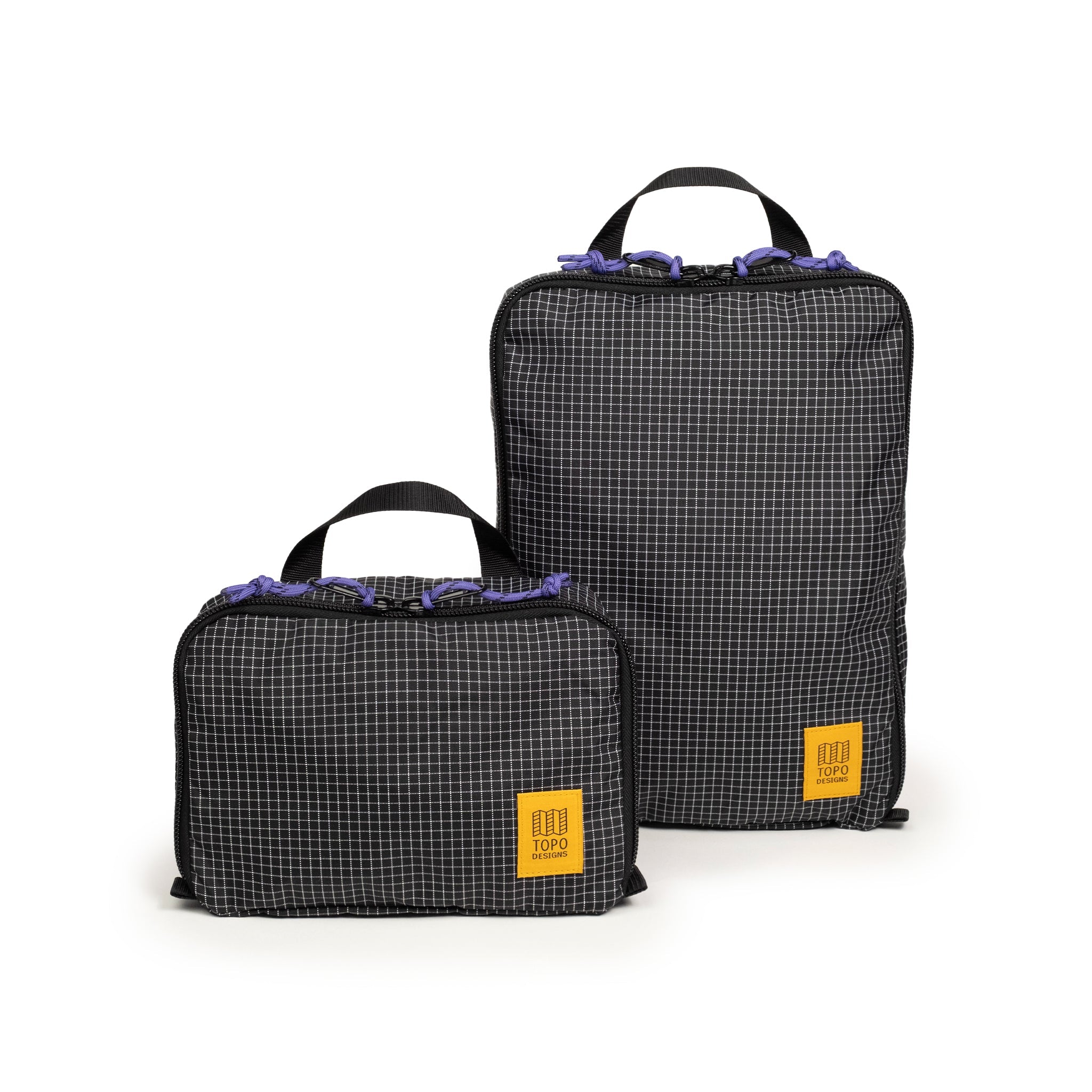
The logic is simple. Clothes are the bulkiest thing you carry, so a road trip packing list works best as a small, mix-and-match palette in colours that all go together, worn in layers and topped up with a wash every few days. Documents are the highest-stakes items, so they live in one place you can reach without unpacking the boot. Organisation does the quiet work, packing cubes compress a week of clothes into a fraction of the space and let you pull one outfit without emptying the whole bag. A couple of dry bags keep clean and worn, dry and wet, entirely separate, which matters far more on the road than at home. Get those three habits right and the rest of the trip more or less packs itself.

What did a three-week Central Europe road trip actually teach me?
That I own too much and wear a fraction of it. I am, by my own admission, a panic packer, the person muttering "I'll take it just in case" far too often. Three weeks living out of a camper van cured a good deal of that habit.
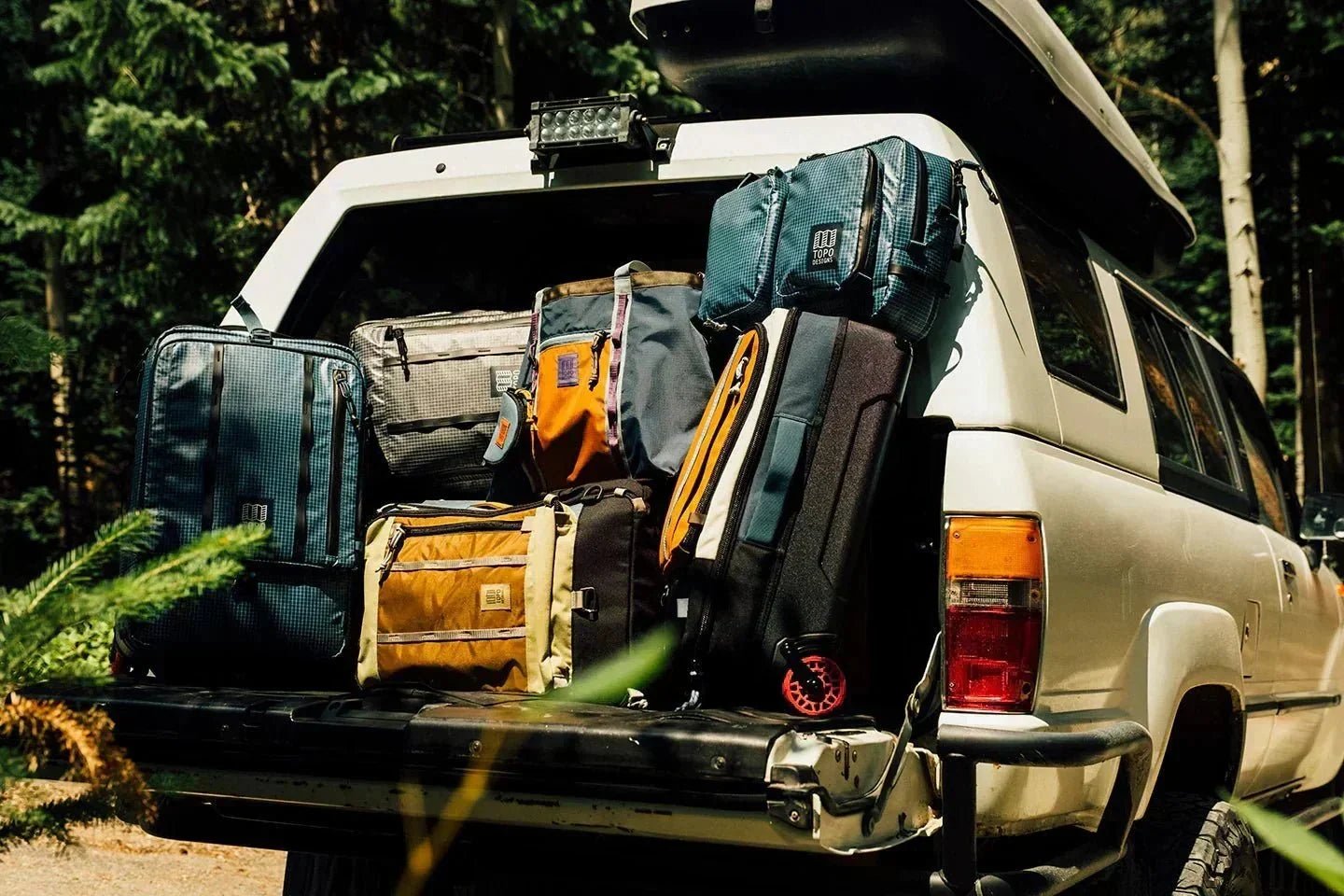
We packed some friends into the van, started in Tuscany and drove north through Bavaria, into the Black Forest and Belgium, before taking the ferry back to Calais. The forecast was a mild European spring, so naturally I packed for every possible condition. The first days were all sunshine, shorts and t-shirts, spent by the coast, at hot springs and across the rolling green countryside. As we climbed into the mountains the temperature dropped, the weather turned erratic, and I was suddenly grateful for the layers I had nearly left behind. The bag that made the mess manageable was a convertible travel backpack. With a big main compartment and several pockets, my overpacking never turned into chaos, I could keep wet and dry gear apart and find one specific thing without tipping my luggage onto the pavement.
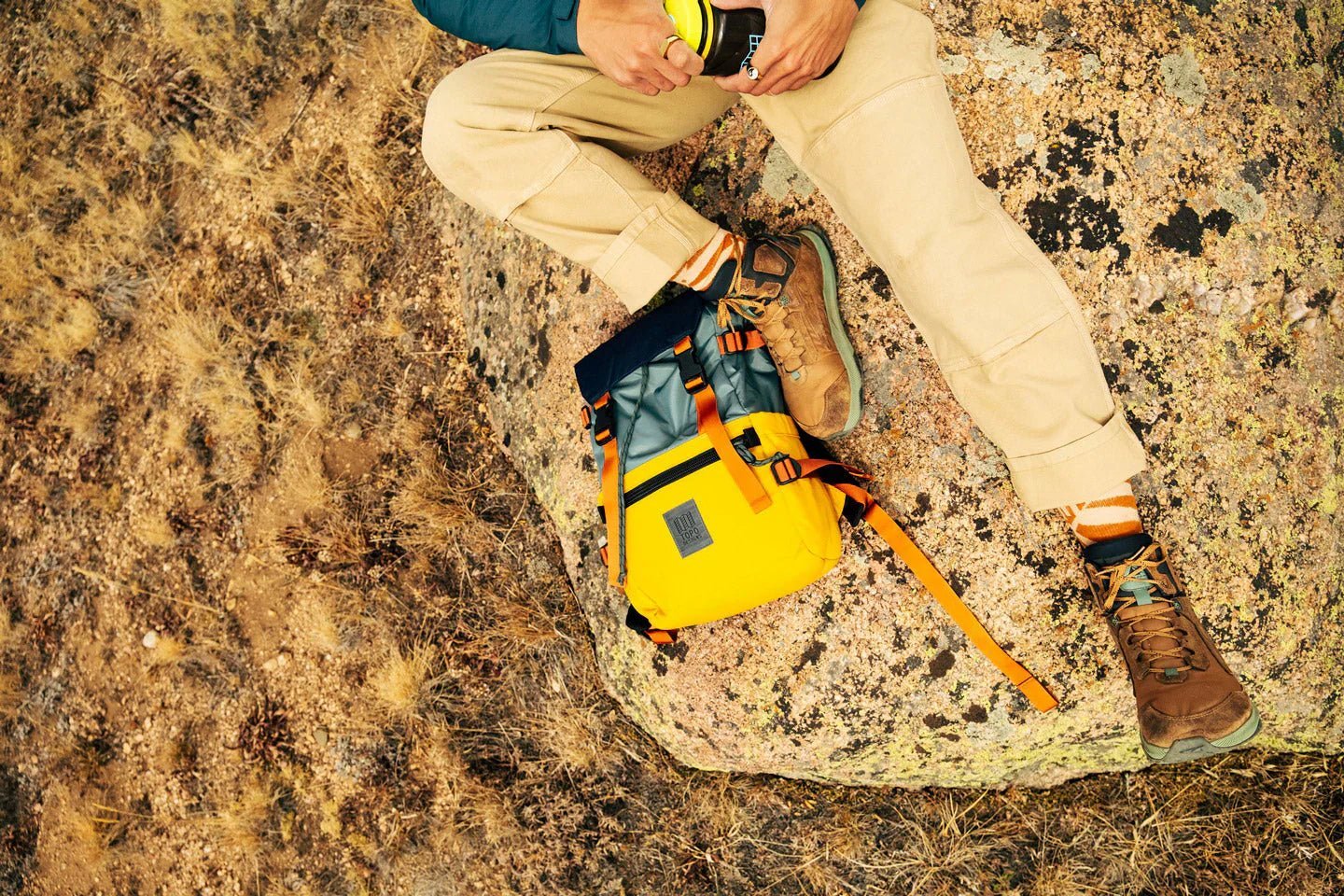
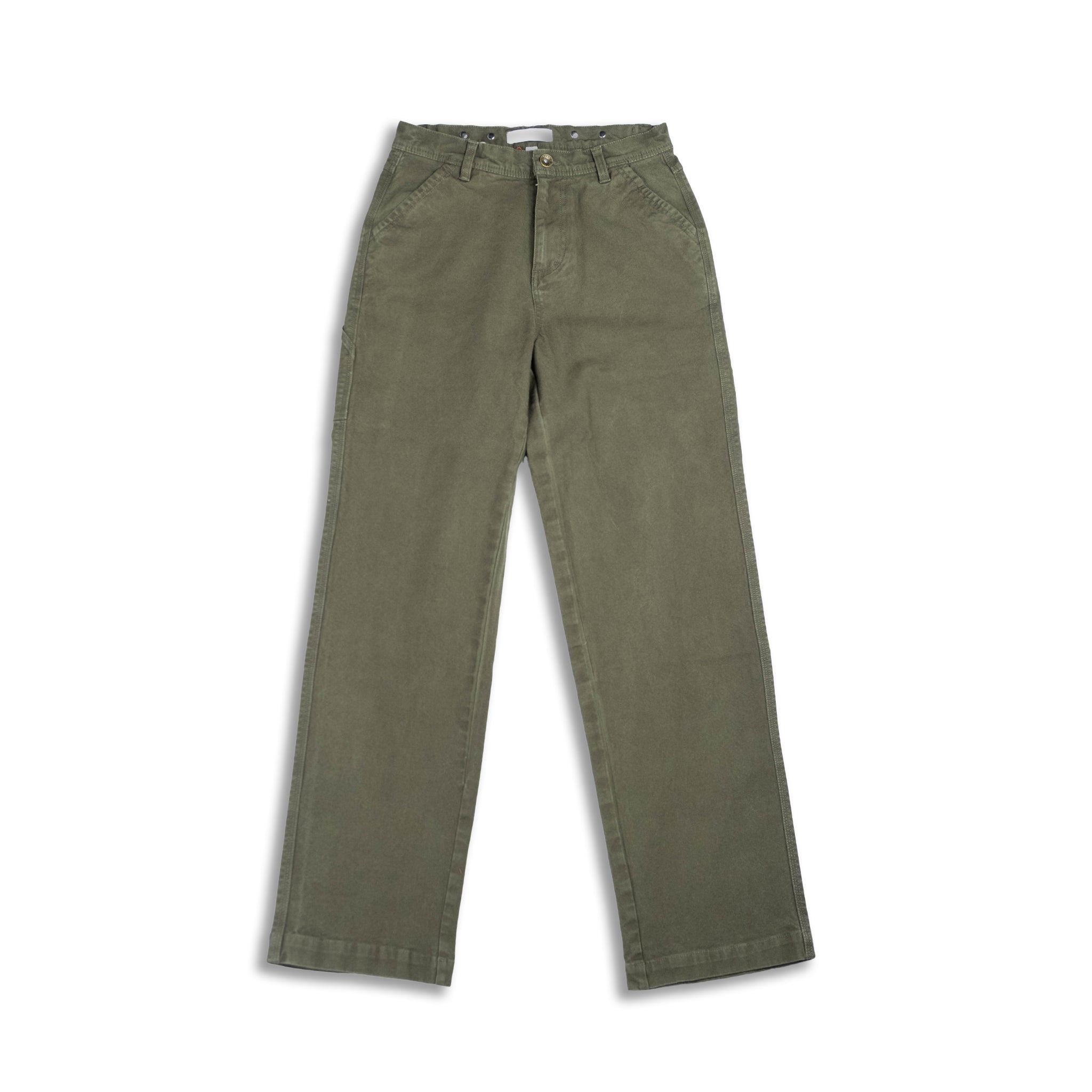
Two things earned their place every single day. Separating wet and dry gear meant damp swimwear never met a clean jumper, and one pair of flexible, water-resistant travel trousers carried me from a hot afternoon by the coast to a cold evening in a quiet mountain village without a change. On a trip that crosses climates in a day, versatile beats specialised every time.

How do you pack for changing weather across countries?
Layer, do not duplicate. Instead of packing a separate outfit for hot, cold and wet, pack pieces that stack, a base layer, a mid layer and a light waterproof shell, in colours that all work together.
Central Europe in spring can hand you a beach afternoon and an alpine evening in the same day, so the answer is a three-layer system rather than three wardrobes. A breathable base layer handles the warmth, a fleece or light knit adds insulation when the sun drops behind the hills, and a packable waterproof deals with the rain that arrives without warning. Choose fabrics that dry overnight, because a road trip rarely gives you a radiator. Keep the palette tight, two or three colours that all combine, and a week of clothing quietly becomes a fortnight of outfits. This is also where separating wet and dry gear pays off again, a damp shell zipped away from your dry layers keeps the whole bag usable rather than turning it into a mobile laundry basket.
Which bag should you take on a European road trip?
One versatile bag beats a shelf of specialised ones. A road trip gives you more room than a flight, but a boot fills fast, so the aim is a bag that carries a few days cleanly, plus a second, softer bag for the bulk.
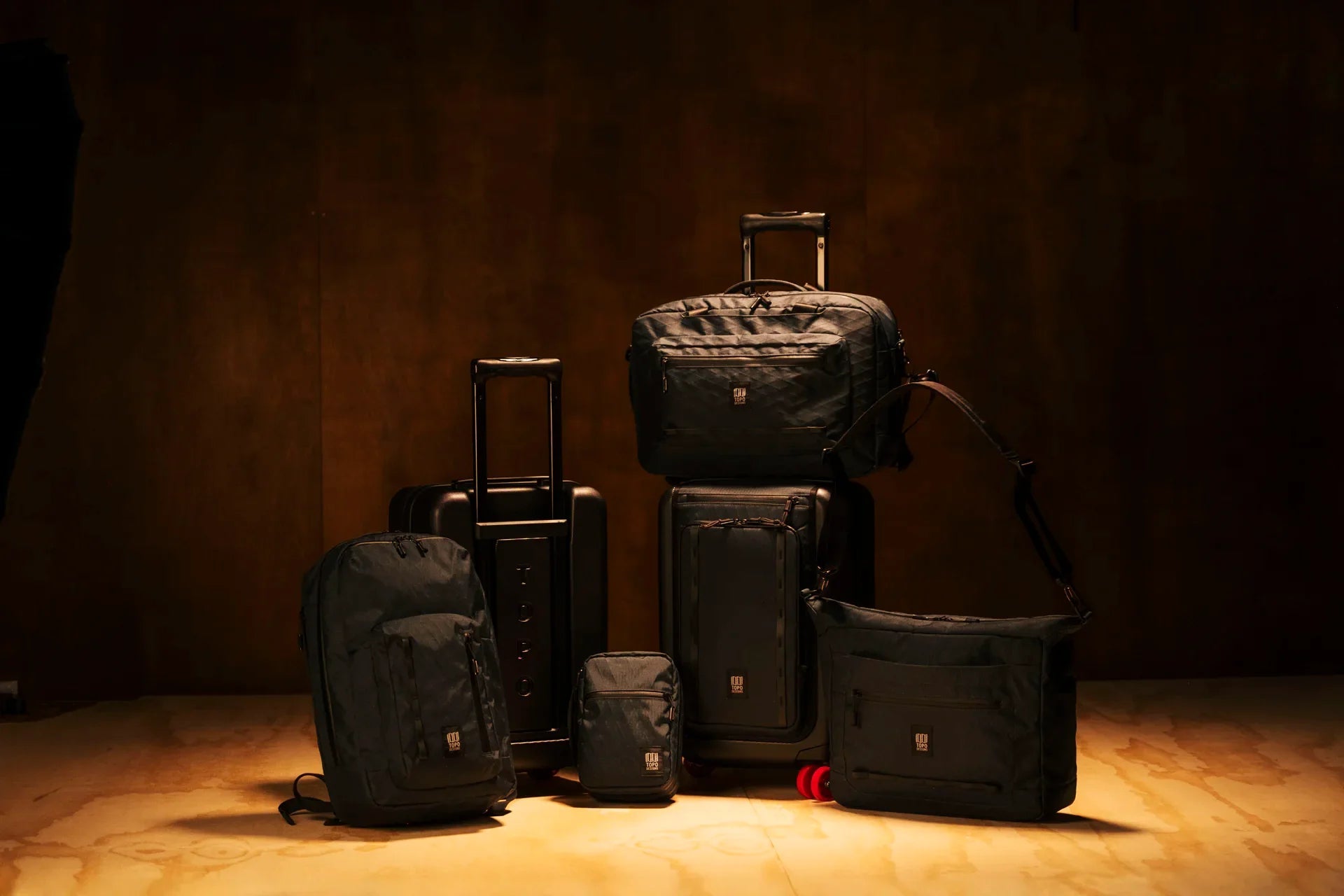
Van and car travel remove the airline size limit, which is freeing and dangerous in equal measure. The discipline that works is a two-bag system. A convertible travel backpack of roughly 30 to 40 litres holds your clothes and daily kit, carries on your back for the walk from the car park, and stays organised across weeks. A soft duffel takes the overflow, the bulky gear and food you want in the boot but out of the way. Add packing cubes to compress clothes, a dopp kit for toiletries, and a small hands-free bag for the days you park up and explore a town on foot. Every one of these is built to be repaired rather than replaced, so a bag sized correctly now is one you keep for years of trips.
| Bag type | Typical volume | Best for on a road trip |
|---|---|---|
| Multi-compartment travel backpack | Around 30 to 40L | Clothes and daily kit in one organised bag you carry on your back |
| Soft duffel | Around 70 to 90L | Bulky overflow, gear and boots, stowed in the boot and out of the way |
| Weekend bag | Smaller carry | Short legs and overnight stops where the big bags stay packed |
| Packing cubes | 5L and 10L sets | Compressing clothes and separating clean from worn |
| Dopp kit | Compact | Toiletries kept upright and self-standing on any surface |
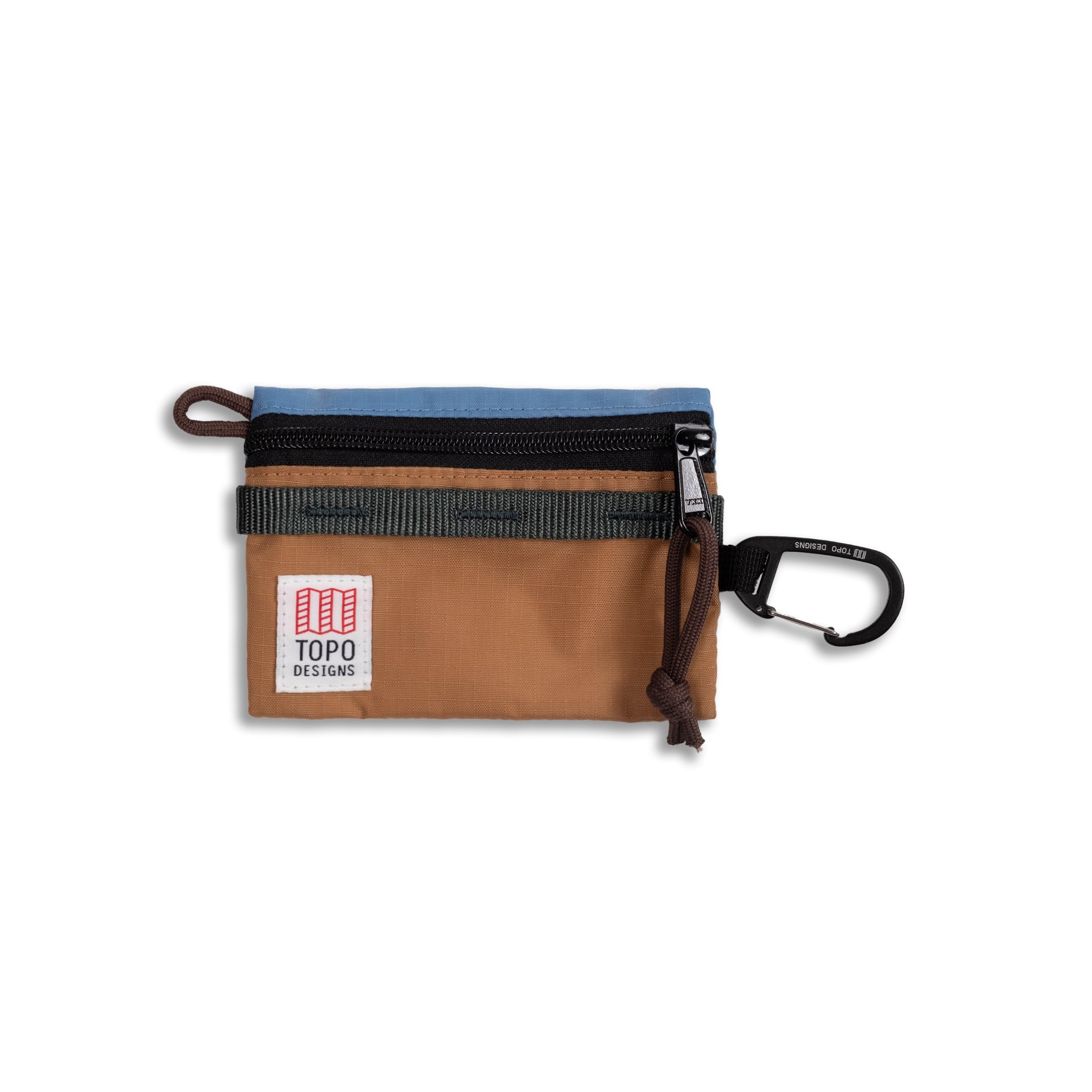
| Hands-free hip pack | Small | Phone, wallet and keys while exploring a town on foot |

What road kit does your car legally need in Europe?
More than most packing lists admit. Since 2021 a UK vehicle must show a UK identifier when driven abroad, and many countries require a warning triangle, a hi-vis vest for every passenger and headlamp beam deflectors.
The legal kit is the part a clothing checklist forgets, and it is the part that draws a fine. UK government guidance notes you may need extra equipment such as a reflective jacket and a warning triangle in many European countries, plus emission stickers for some cities. In practice, UK drivers heading across the Channel carry a compact European driving kit that covers the common requirements in one box. A few points are worth committing to memory. The hi-vis vest must be reachable from inside the car, not buried in the boot, because you are expected to put it on before you step out. Right-hand-drive headlights need deflectors so they do not dazzle oncoming traffic. Low emission zones in French and German cities need a Crit'Air or Umweltplakette sticker bought in advance. Rules vary by country and change, so confirm the current requirement for each country on your route before you leave.
| Item | Status | Note |
|---|---|---|
| UK identifier (plate or sticker) | Required | Spain, Malta and Cyprus require a physical UK sticker even with a UK-badged plate |
| Warning triangle | Required in most countries | Used to mark a breakdown or accident on the road |
| Hi-vis vest | Required, one per passenger | Kept inside the cabin, not the boot, and worn before exiting |
| Headlamp beam deflectors | Required for UK right-hand-drive cars | Prevents your headlights dazzling oncoming drivers |
| Low emission zone sticker | Required in some cities | France uses Crit'Air, Germany uses Umweltplakette, buy ahead of time |
| First aid kit | Required in some countries, sensible everywhere | A compact kit covers most national rules |
How do you avoid overpacking?
Decide the outfits before you pack the bag. Overpacking is a symptom of packing hopefully, one more "just in case" at a time. Reverse it by planning what you will actually wear, then packing only that.
- Set a clothing budget, about a week, and hold the line. Laundry covers the rest.
- Two pairs of shoes is the ceiling, one comfortable, one a little smarter.
- Lay everything out, then remove one item in five. You will not miss them.
- Buy toiletries and forgotten basics on arrival. Europe has shops.
- Keep a small fixed kit, chargers, adapter and dry bags, that lives in the bag between trips.
Frequently asked questions
What should I pack for a two-week European road trip?
Pack about one week of mix-and-match layers and plan to do laundry once, rather than doubling everything for a fortnight. Run one versatile travel bag for clothes and daily kit, plus a soft duffel for the overflow. Add the legal car kit, a warning triangle, a hi-vis vest per passenger and a UK identifier, before you set off.
Do I need a warning triangle and hi-vis vest to drive in Europe?
In most European countries, yes. A warning triangle is required in almost every country, and a hi-vis vest is needed for each passenger, kept inside the cabin so you can put it on before leaving the car. UK right-hand-drive cars also need headlamp beam deflectors and a UK identifier. Rules vary by country, so check each one on your route.
What is the best bag for a European road trip?
A convertible travel backpack of roughly 30 to 40 litres for your clothes and daily kit, paired with a soft duffel for bulkier gear you keep in the boot. Packing cubes compress clothes and separate clean from worn, a dopp kit handles toiletries, and a small hip pack keeps hands free when you park up and explore a town.
How many clothes should I pack for a road trip in Europe?
About a week's worth, built as a tight mix-and-match palette of two or three colours that all combine. Pack pieces that layer, a base layer, a mid layer and a light waterproof, rather than separate outfits for hot, cold and wet. Two pairs of shoes is plenty. Do a wash every few days and a week of clothing lasts the whole trip.
Do I need a travel adapter for a European road trip?
Yes. The UK and most of continental Europe use different plug types, with the continent on Type C or E sockets at 220 to 240 volts. Bring adapters for both if your route includes the UK and the mainland, along with a USB car adapter and a power bank so navigation and phones stay charged between stops.
Key takeaways
- Pack a week of mix-and-match layers and do laundry, not a bag for every scenario.
- Run a two-bag system, one convertible travel backpack for clothes and daily kit, one soft duffel for the overflow.
- Separate wet and dry gear with packing cubes and dry bags. It matters more on the road than at home.
- Carry the legal car kit, a UK identifier, a warning triangle, a hi-vis vest per passenger and headlamp deflectors, and check the rule for each country.
- Choose durable, repairable bags. Size one correctly now and keep it for years of trips.
About the author. Amelia Le Brun is a photographer and writer based in the UK, often found in the Lake District with a camera and a Topo Designs bag. She has travelled since childhood and drove this three-week Central Europe route with Topo Designs. The words and photographs here are her own. Published 13 May 2025, updated 3 August 2026.
Sources
- GOV.UK, Driving abroad, verified August 2026.
- RAC, Driving in Europe checklist, verified August 2026.