




How to Layer Clothes for Hiking
Quick answer. Layering for a hike means three pieces that work together, a base layer that moves sweat off your skin, a mid layer that traps warmth, and an outer shell that blocks wind and rain. Start light, carry all three even on a fair morning, and add or drop a layer as the day turns. Keep cotton off your skin on the trail.
On this page
What is the three-layer system?
The three-layer system is a simple way to dress for changeable weather. Each layer has one job. The base layer manages moisture, the mid layer holds warmth, and the outer shell keeps wind and rain out. Worn together they let you fine-tune your temperature through the day, rather than sweating inside one thick coat and then freezing the moment you stop.
The point of the system is flexibility. You rarely wear all three at once. On the move you generate heat and shed layers, at a rest stop you cool fast and add them back. Getting this right is less about owning expensive kit and more about understanding what each piece does and reaching for it at the right moment. A base layer that sits close to the skin moves sweat outward so you stay dry. A mid layer, usually a fleece, traps a cushion of warm air against your body. A shell sits on top and stops wind and rain stripping that warmth away. The order matters, and so does keeping the two you are not wearing somewhere easy to reach.
| Layer | Its job | Everyday materials | When you reach for it |
|---|---|---|---|
| Base layer | Moves sweat off your skin so you stay dry | Merino wool, polyester, nylon | Always, it is the layer against your skin |
| Mid layer | Traps warm air to keep you insulated | Fleece, light synthetic insulation | When you stop, or the temperature drops |
| Outer shell | Blocks wind and rain, lets sweat escape | Waterproof, breathable fabrics | When the wind picks up or it starts to rain |
How should you layer for a day hike?
Match your layers to the day, not the calendar. On a mild morning, walk in your base layer and keep the mid layer and shell in your pack. As the wind picks up or you stop for a break, add the mid layer before you get cold. Weather in the hills turns quickly, so carry all three even when the forecast looks kind.
A useful rule of thumb, air cools by around 6.5°C for every 1000 metres you climb, and a stiff breeze makes it feel colder still. Even a modest climb on a bright day can leave you chilled at the top if you packed for the car park. That is the whole case for layering, small and regular adjustments keep you comfortable without carrying a wardrobe. Here is how the same three layers cover most days out:
- Warm and dry. Base layer on the move, mid layer and shell packed for the summit and the walk back down.
- Cool or breezy. Base plus mid layer, shell to hand for exposed sections and rest stops.
- Wet or windy. All three, with the shell doing the heavy lifting and the mid layer keeping the warmth in.
The habit that matters most is adjusting early. Add the mid layer before you feel cold, take the shell off before you overheat and soak your base layer from the inside. Small changes, made often, beat one big change made too late.

Why is cotton a poor base layer?
Cotton is the one fabric to keep off your skin on a proper walk. It soaks up sweat and rain, holds the water against you, and dries slowly. Wet cotton draws heat away from your body far faster than dry fabric, which leaves you cold the moment you stop moving. On a short town stroll it is fine, on an exposed trail in changeable weather it works against you.
The reason is physical. Water carries heat away from your skin much faster than air does, and a soaked cotton layer is estimated to pull warmth from the body around 25 times faster than dry clothing. Cotton fibres absorb moisture deep into the fabric and cling to the skin, so once a cotton shirt is wet it stays wet and cold for hours. That is why experienced walkers repeat the phrase cotton kills, not as drama but as shorthand for a real risk in cold, wet, windy conditions, which is exactly what the British hills serve up. The fix is straightforward. Choose a base layer in merino wool or a synthetic like polyester, both of which move moisture outward and dry quickly, then build your mid and outer layers on top of that dry foundation.

How do you pack and organise your layers?
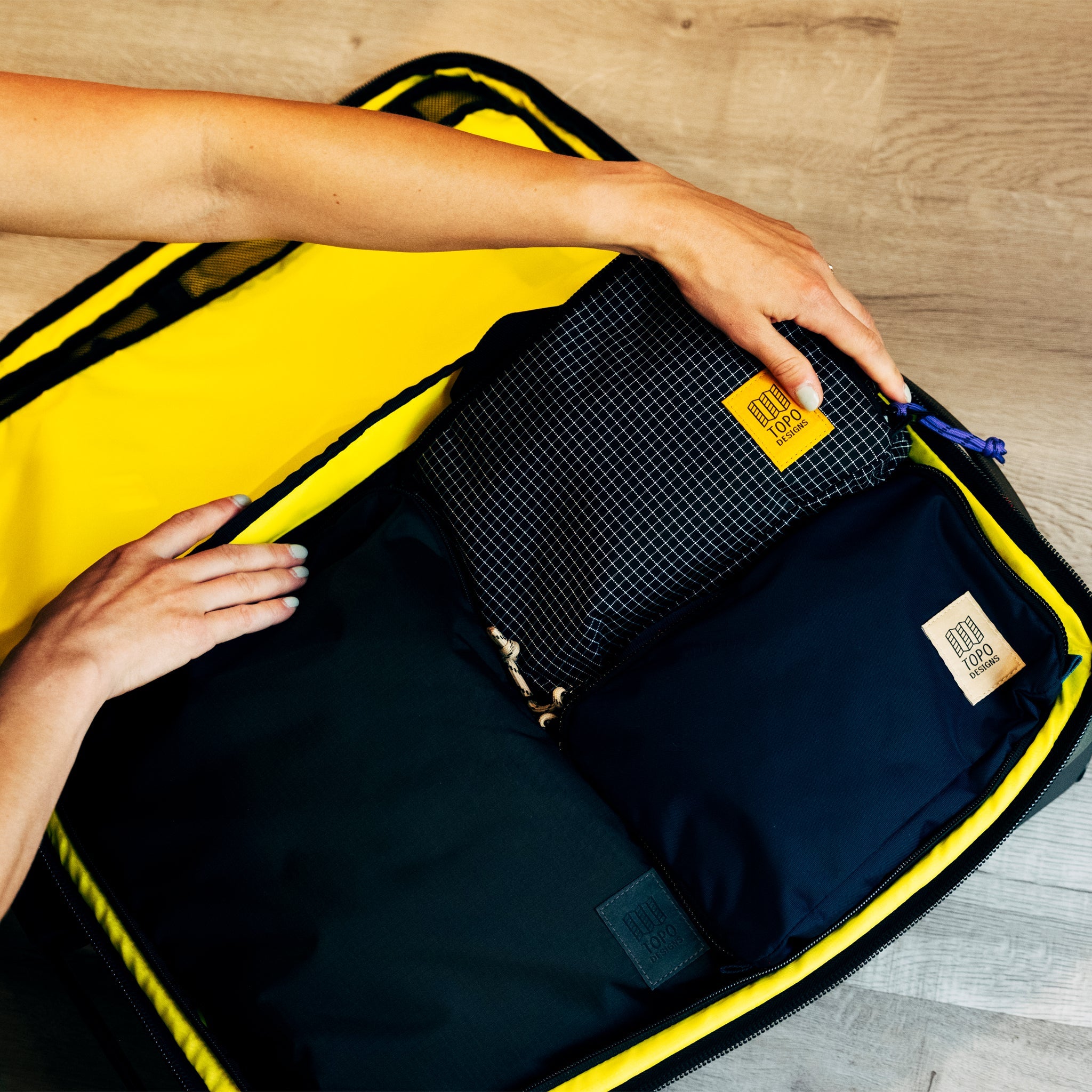
The layer you are not wearing has to go somewhere easy to reach. Keep the mid layer and shell near the top of your pack so you can grab them without unpacking everything. A light day out needs around 20 litres, enough for two spare layers, water, and lunch, with a little organisation so nothing disappears to the bottom.
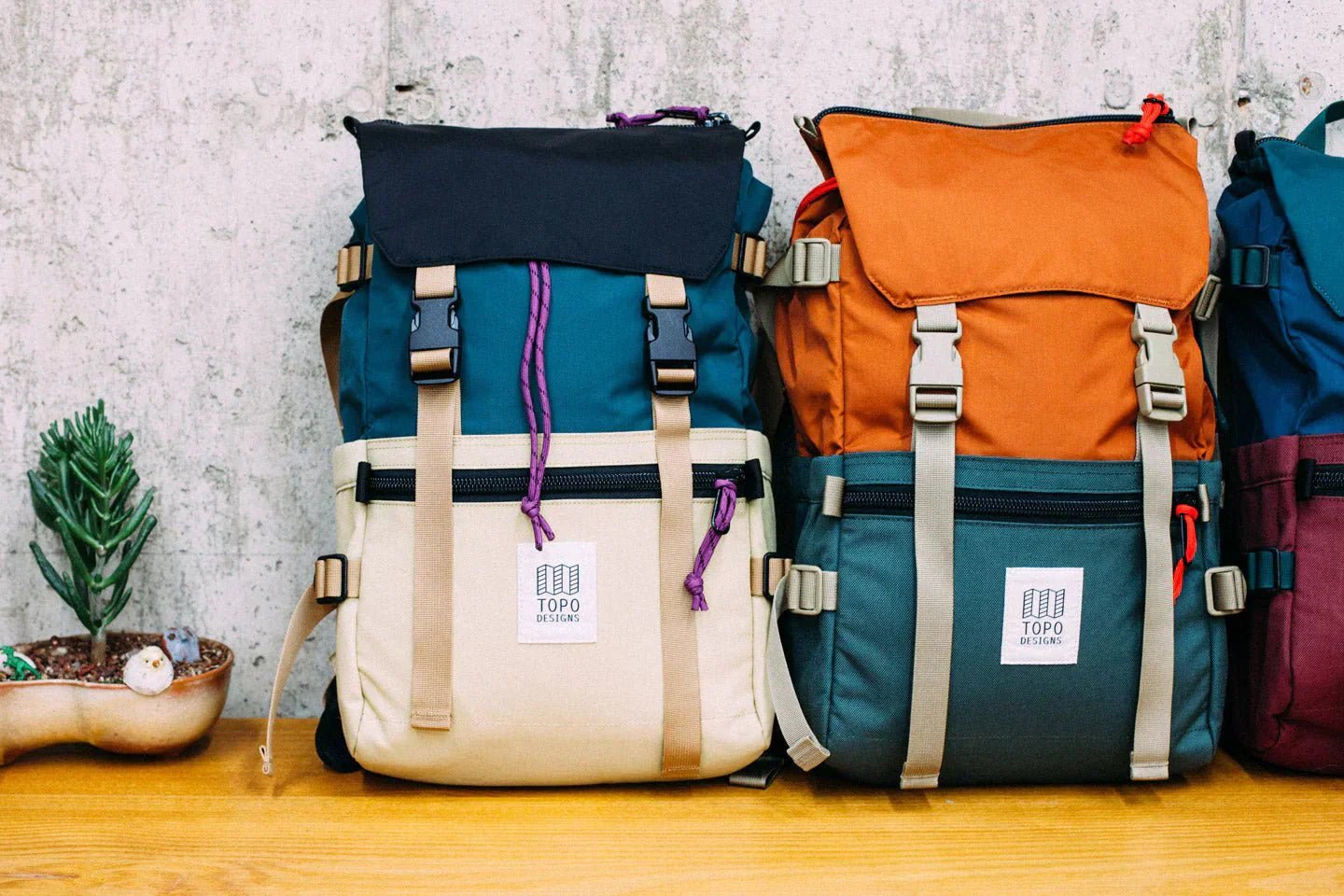
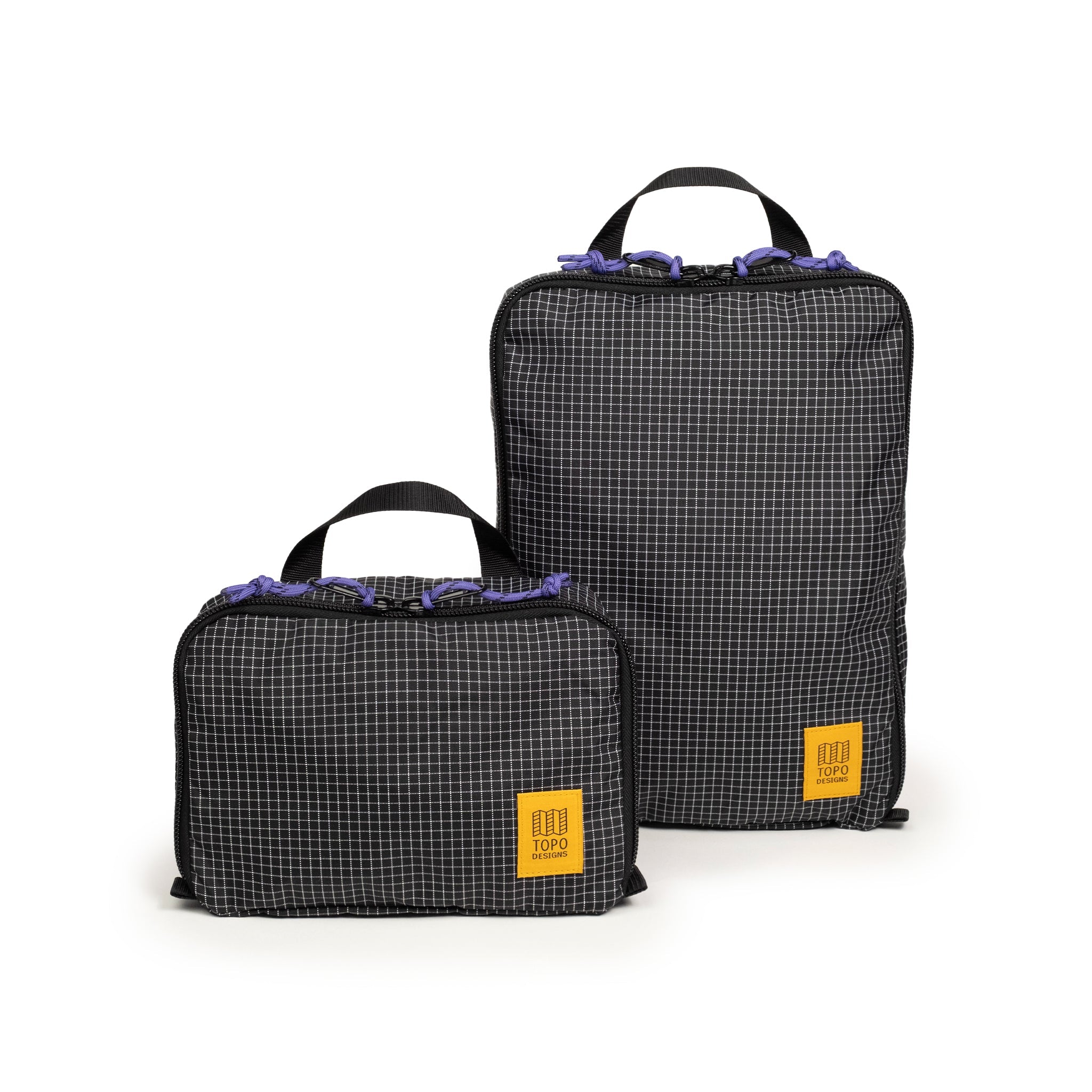
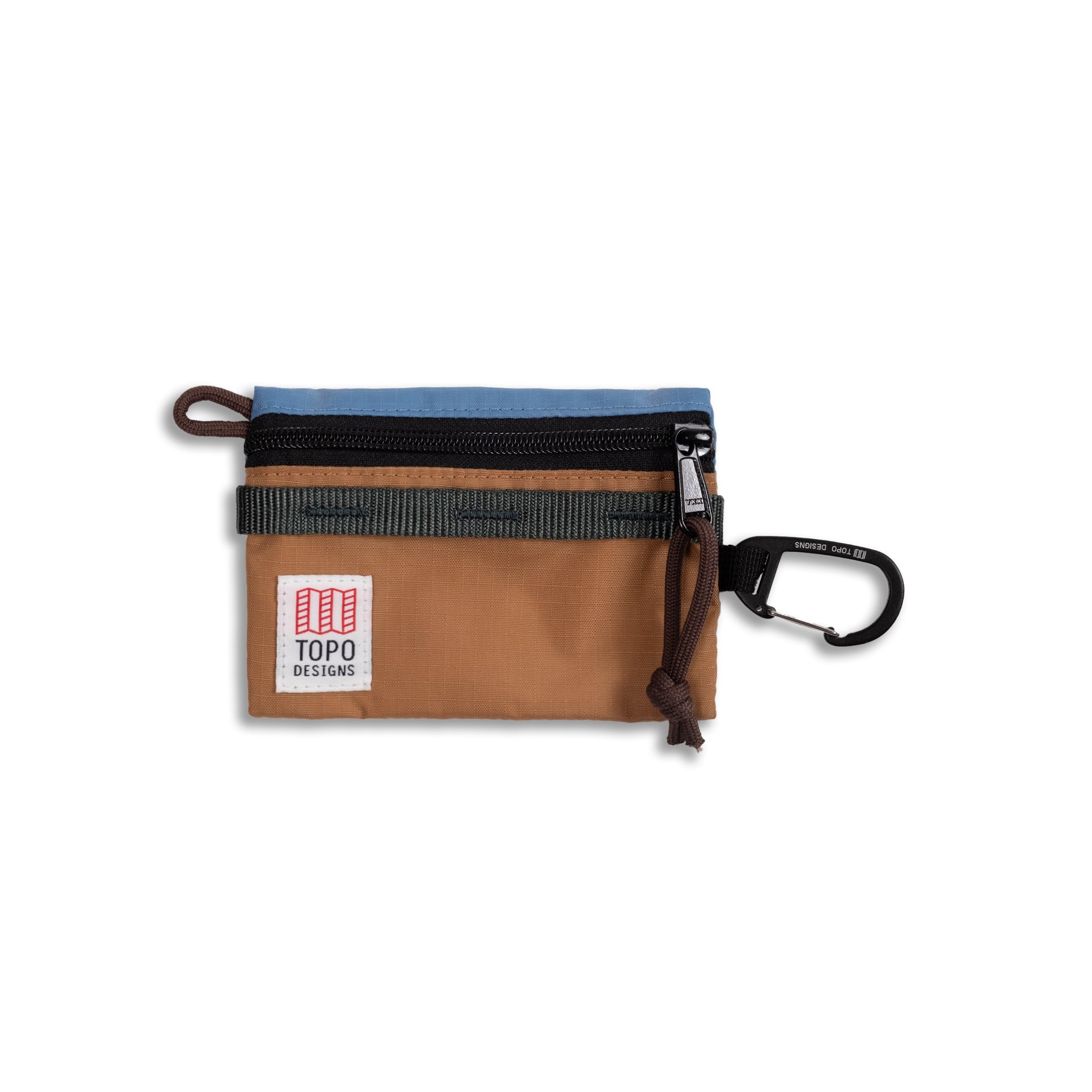
How you pack the layers matters as much as which ones you bring. A pack bag keeps clothing contained without crushing it, which protects the loft that makes a fleece or insulated mid layer warm in the first place. Topo Designs pack bags come in 10 litre and 5 litre sizes, so you can split a fresh layer from a damp one and still find both in seconds. For the pack itself, an everyday daypack around 20 litres carries a full day comfortably, while a trail-ready daypack gives you a bit more room and structure for longer routes. For a short loop where you only need water and one spare layer, a hip pack keeps your hands free and the weight off your shoulders. One versatile bag that carries the day beats a shelf of specialist ones.

What to wear from town to trail
The best layers do not look like they belong only on a mountain. A base layer, a fleece, and a shell that carry you from the commute to a weekend walk mean one set of kit for a dynamic day, not a separate outfit for every setting. That is the town to trail idea in practice, gear that performs without looking like performance gear.
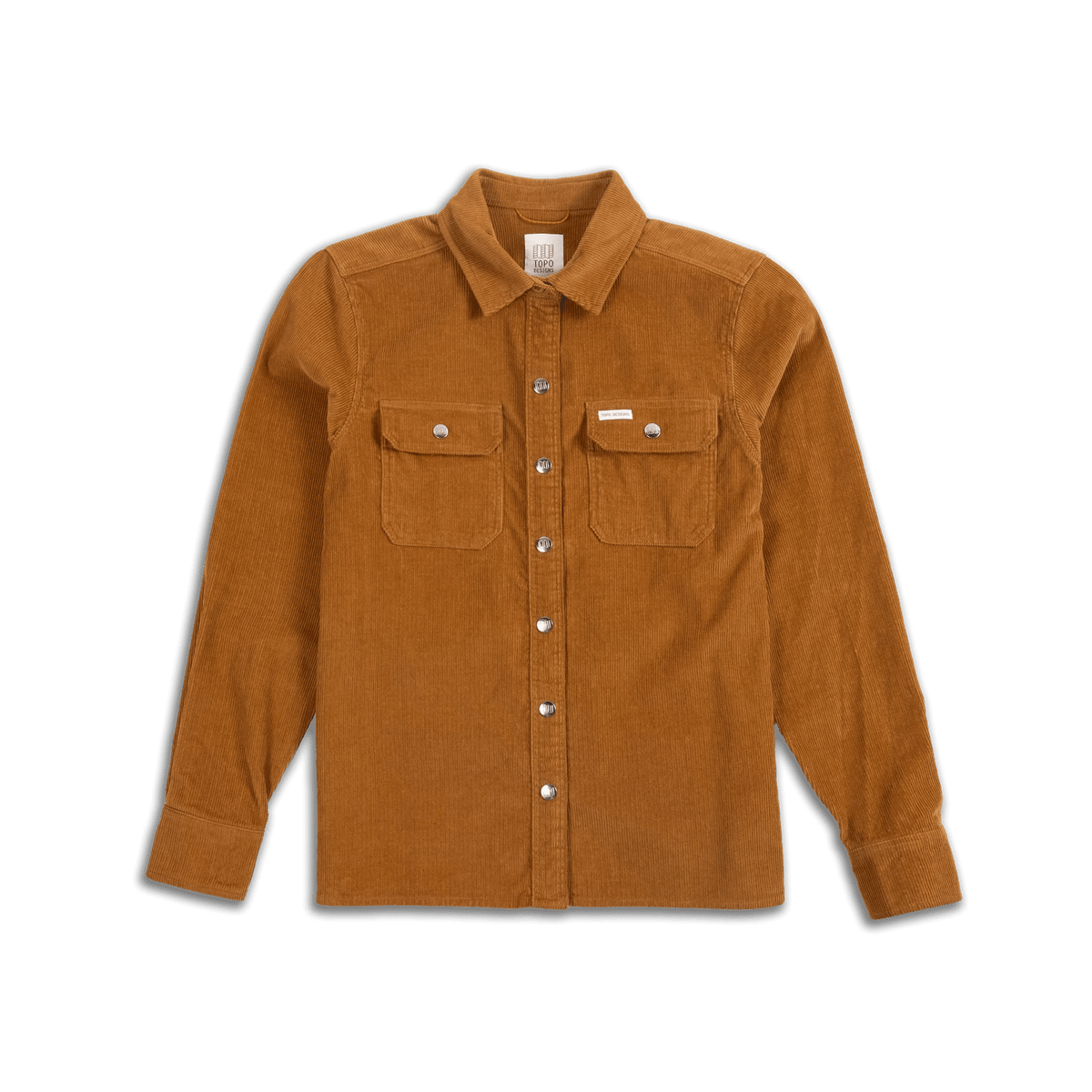
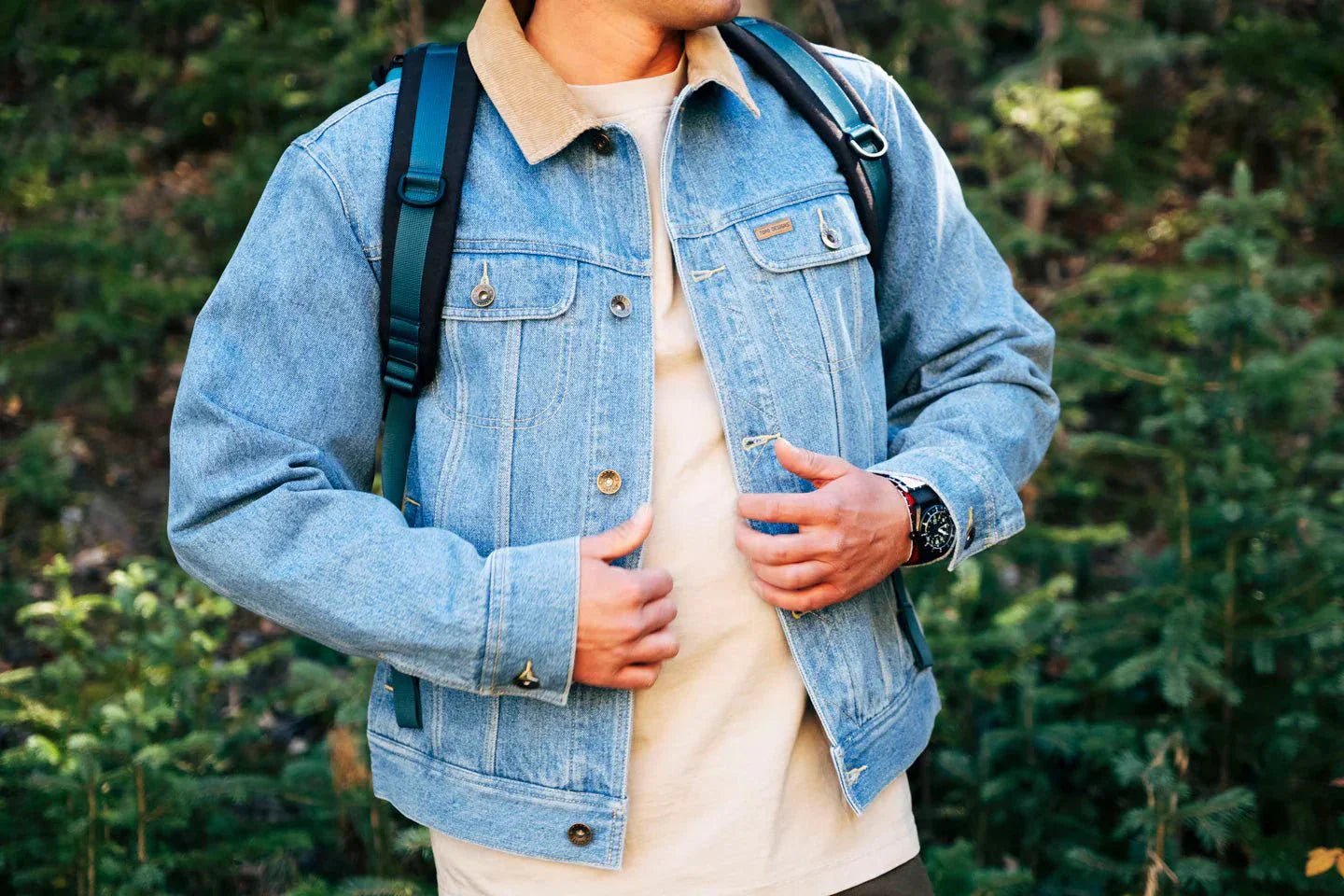
In real terms, that is a wicking base layer you would happily wear around town, a men's fleece or women's fleece as an easy mid layer, and a packable shell from the men's outerwear and women's outerwear ranges for when the weather turns. Chosen well, the same three pieces handle a bus stop in the rain and a breezy ridge without missing a step.
Topo Designs gear is built to last and made to be repaired rather than replaced, so a layering set you buy once is one you keep for years of days out. Pick pieces that adapt to your day, look after them, and they earn their place trip after trip.
Frequently asked questions
What are the three hiking layers?
The three layers are a base layer, a mid layer, and an outer shell. The base layer moves sweat off your skin, the mid layer, usually a fleece, traps warmth, and the shell blocks wind and rain. Together they let you adjust your temperature through the day by adding or removing a single piece at a time.
Can I wear a cotton t-shirt for hiking?
For a gentle, dry walk close to home, cotton is fine. For a longer or exposed hike it is a poor choice, because cotton soaks up sweat and rain, dries slowly, and pulls heat from your body once wet. Choose a merino wool or synthetic base layer instead, and keep cotton for the town rather than the trail.
What size backpack do I need for a day hike?
Around 20 litres suits most day hikes. That is enough for a spare mid layer, a shell, water, lunch, and the small essentials, without tempting you to overpack. For a short loop you can drop to a hip pack, and for a longer day with more spare layers, a slightly larger daypack gives you room to keep everything organised.
Do I need all three layers in summer?
Often yes, at least in your pack. Summer weather in the hills still turns cool, wet, and windy with little warning, and temperatures fall as you climb. You may walk all day in just a base layer, but carrying a light mid layer and a packable shell means a sudden shower or a breezy summit does not cut your day short.
Key takeaways
- Carry all three layers even on a fair morning. The base layer stays on, the mid layer and shell go in your pack.
- Adjust early. Add the mid layer before you feel cold, drop the shell before you overheat and soak your base layer.
- Keep cotton off your skin on the trail. Wet cotton draws heat away far faster than merino or synthetic base layers.
- Pack around 20 litres for a day out, and use a pack bag to keep a fleece or insulated layer from being crushed.
- Pick versatile pieces that work from town to trail, so one set of kit covers the commute and the weekend walk.