







Comment préparer un sac à dos
Réponse rapide. Pour remplir un sac à dos, organisez-le en trois zones. Placez les objets légers et volumineux au fond, les objets lourds et compacts au centre, contre votre dos, et les petits objets que vous utilisez souvent en haut. Veillez à ce que le poids total ne dépasse pas 20 % de votre poids corporel, enroulez vos vêtements dans des cubes de rangement et gardez une poche libre pour les objets à portée de main, comme vos clés, votre passeport ou un en-cas. Cette méthode s'applique aussi bien aux voyages qu'aux déplacements quotidiens et aux randonnées d'une journée.
Quelles sont les trois zones d'emballage ?
Tout sac à dos bien rangé répartit le matériel en trois zones, et cela s'explique par des raisons physiques. Une charge portée près du dos et près des hanches semble plus légère que la même charge suspendue loin du corps. Si vous répartissez correctement ces zones, un sac plein passe inaperçu sur vos épaules. Si vous vous y prenez mal, même un sac léger vous fera perdre l'équilibre.
- Zone inférieure : objets légers et peu encombrants. Un « Veste » plié, une paire de baskets de rechange, une pochette souple contenant des vêtements, tout objet volumineux dont vous n’aurez pas besoin avant votre arrêt.
- Zone centrale, bien lestée et près du dos. Un ordinateur portable, une bouteille d'eau pleine, un boîtier d'appareil photo, un livre, une trousse de toilette. C'est la répartition de poids la plus agréable à porter.
- Compartiment supérieur : petit et pratique. Collation, clés, câble, écouteurs, carte de transport… tout ce dont vous avez besoin sans avoir à retirer votre sac.
La règle à retenir : le poids placé près du dos et près des hanches se transporte bien, contrairement à celui placé à bout de bras. Si vous ne savez pas où ranger un équipement, demandez-vous quand vous l'avez utilisé pour la dernière fois lors d'une randonnée similaire. Si la réponse est « souvent », il doit aller en haut du sac. Si c'est seulement en fin de journée, il doit aller en bas.

Quel poids un sac à dos peut-il supporter ?
Pour une journée d'activité, un adulte en bonne santé peut porter sans difficulté un sac à dos pesant jusqu'à 10 % de son poids corporel. Pour les longues journées de randonnée avec un sac plus lourd, la limite maximale utilisée par les guides de montagne et les organismes spécialisés dans les activités de plein air se situe autour de 20 %. Au-delà de ce seuil, le confort diminue considérablement et le risque de tensions au niveau du dos ou des épaules augmente.
Les chiffres ci-dessous indiquent une fourchette indicative pour un adulte britannique ; il ne s'agit pas d'une règle stricte. Votre condition physique, l'Coupe du sac et la répartition du poids sont tout aussi importantes que le poids total.
| Poids corporel | Objets à emporter au quotidien, 10 % | Déplacement ou longue journée, 15 % | Plafond de travail : 20 % |
|---|---|---|---|
| 60 kg | 6 kg | 9 kg | 12 kg |
| 70 kg | 7 kg | 10,5 kg | 14 kg |
| 80 kg | 8 kg | 12 kg | 16 kg |
| 90 kg | 9 kg | 13,5 kg | 18 kg |
Deux choses en découlent. Premièrement, un sac de tous les jours pour les trajets quotidiens ne doit généralement pas peser plus de 6 à 8 kg ; un sac à dos de 20 litres suffit donc à la plupart des gens. Deuxièmement, un équipement pour le week-end ou un voyage « un seul sac » devrait tout de même rester dans la limite des 15 % pour une journée entière de marche avec le sac sur le dos : du porte-bagages à l’hôtel, de l’hôtel au musée, puis du musée à la gare suivante.
La pesée la plus utile que vous puissiez faire est celle que vous effectuez chez vous, sur un pèse-personne, avec le sac préparé tel que vous comptez le porter. Si vous le trouvez trop lourd à l'arrêt, cela vous semblera bien pire au bout d'une heure de marche.
Quels outils vous aident à faire votre sac à dos ?
Les bons accessoires de rangement remplissent deux fonctions. D'une part, ils permettent de regrouper les objets souples en blocs stables, ce qui empêche le sac de bouger sur votre dos ; d'autre part, ils permettent de classer vos affaires par catégorie, ce qui vous évite de vous demander « où est-ce que j'ai mis ça ? » au contrôle de sécurité ou dans le train.
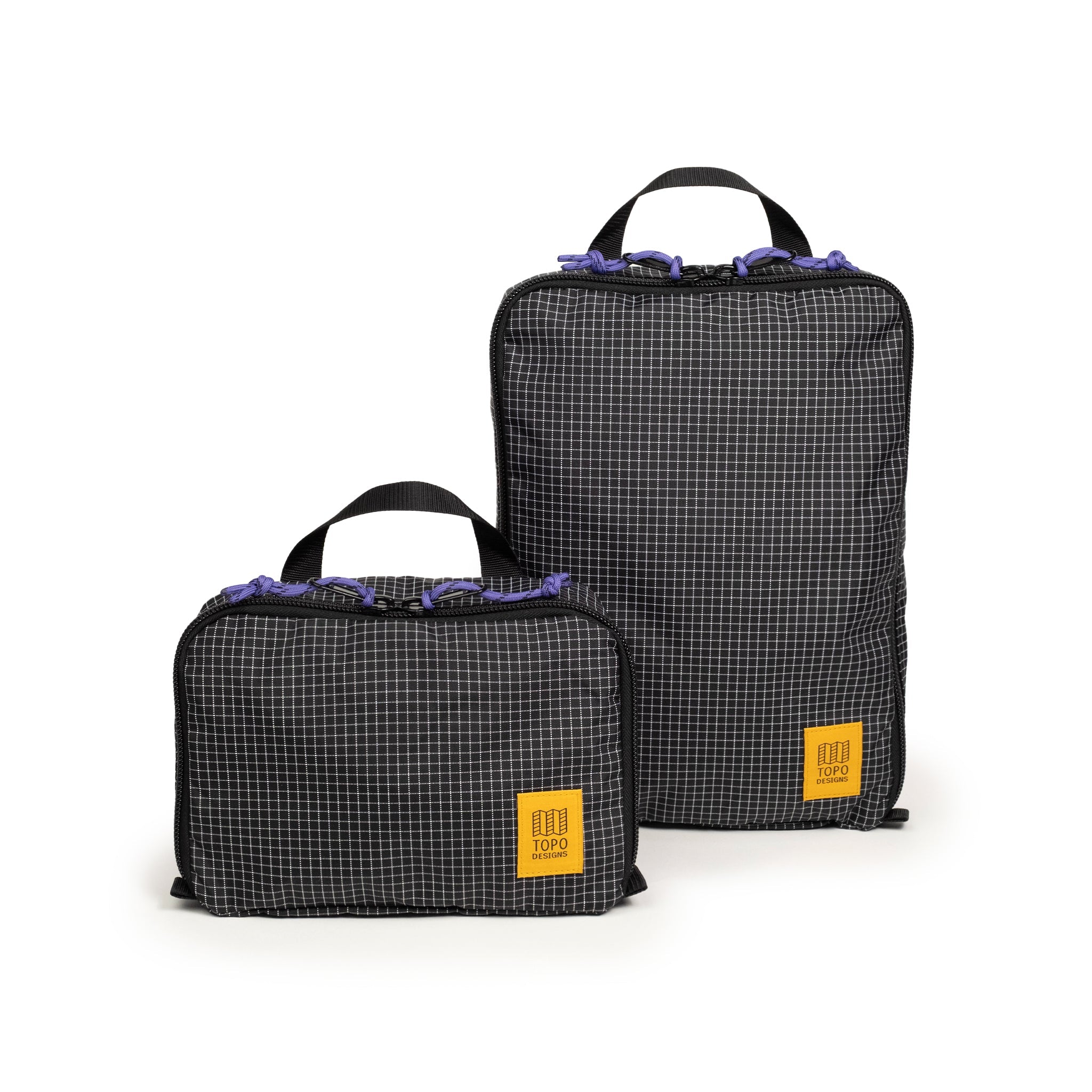
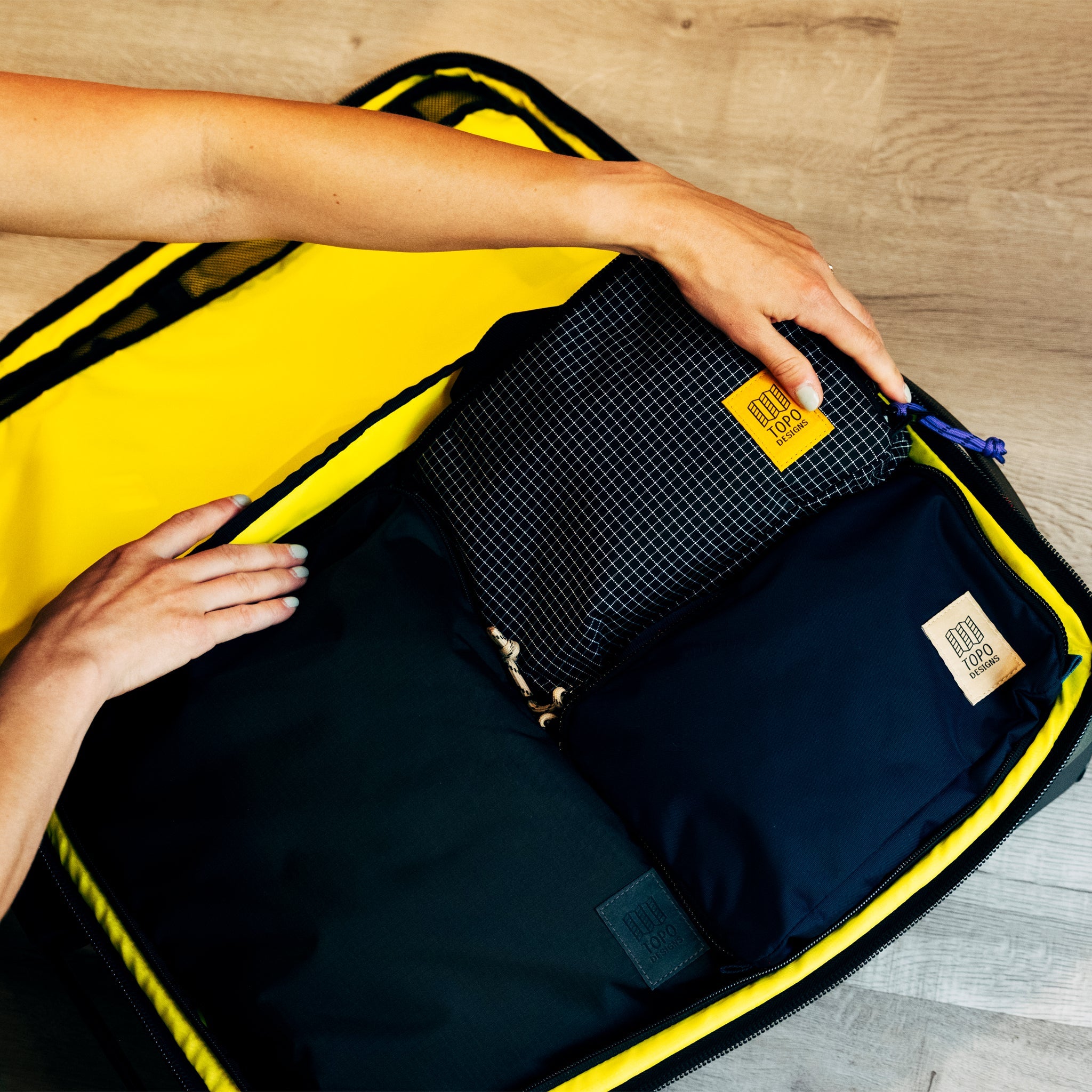
- Les cubes de rangement. C'est de loin la meilleure amélioration. Les vêtements enroulés dans un cube prennent moins de place que s'ils sont pliés, et un cube plein s'empile contre un autre comme une brique.
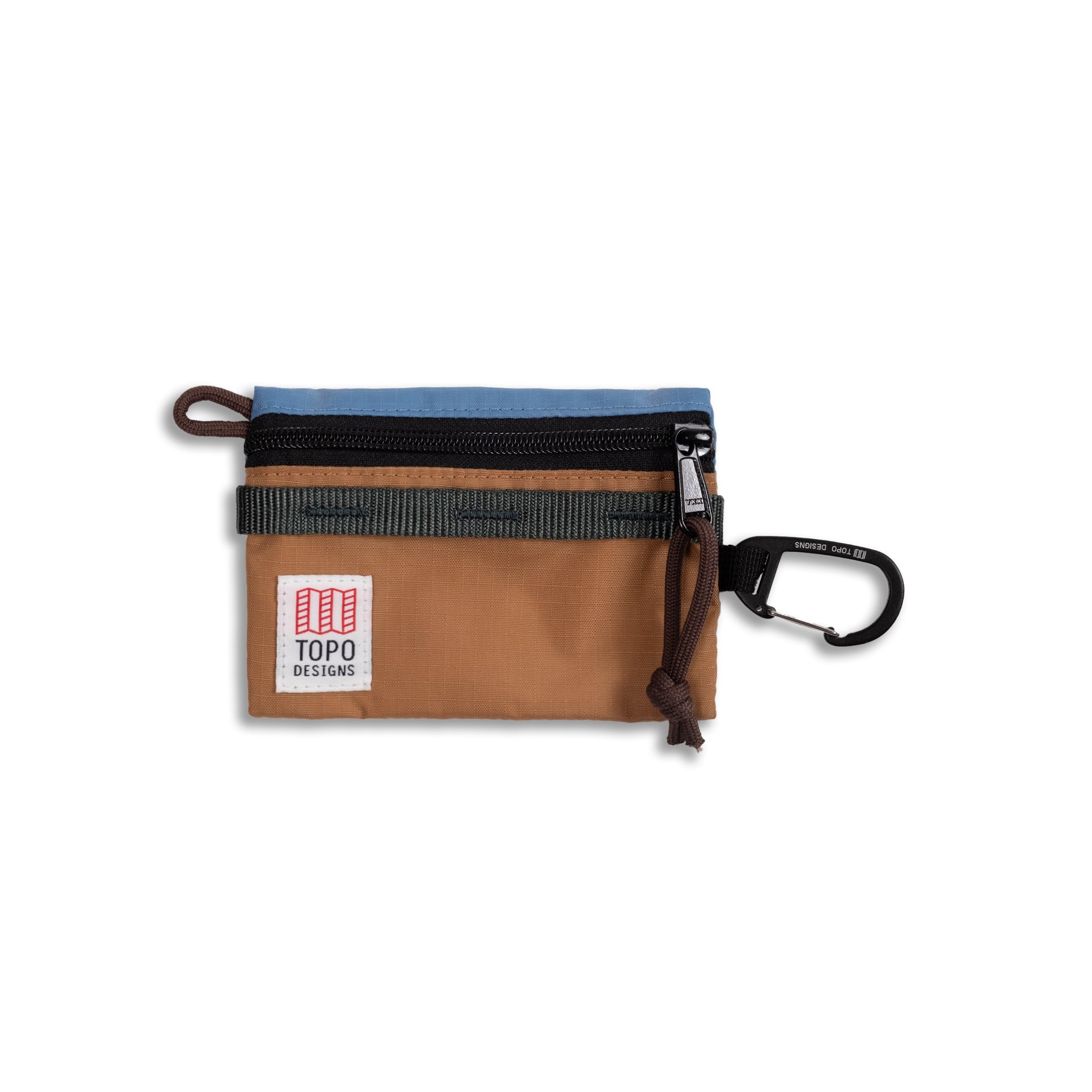
- Une pochette spécialement conçue pour vos appareils électroniques. Chargeurs, câbles, adaptateurs, petite batterie externe : tout est rangé au même endroit. C'est la pochette que vous sortez sans hésiter lors du contrôle de sécurité à l'aéroport.
- Une trousse de toilette. Une trousse séparée et lavable pour les articles de toilette permet d'éviter que les liquides n'éclaboussent les vêtements et vous permet de suspendre le tout à un crochet dans une salle de bains commune.
- Sangles de compression. Sur les sacs de voyage, ces sangles, internes ou externes, permettent de resserrer le contenu et d'empêcher celui-ci de bouger dans tous les sens lorsque le sac est à moitié plein.
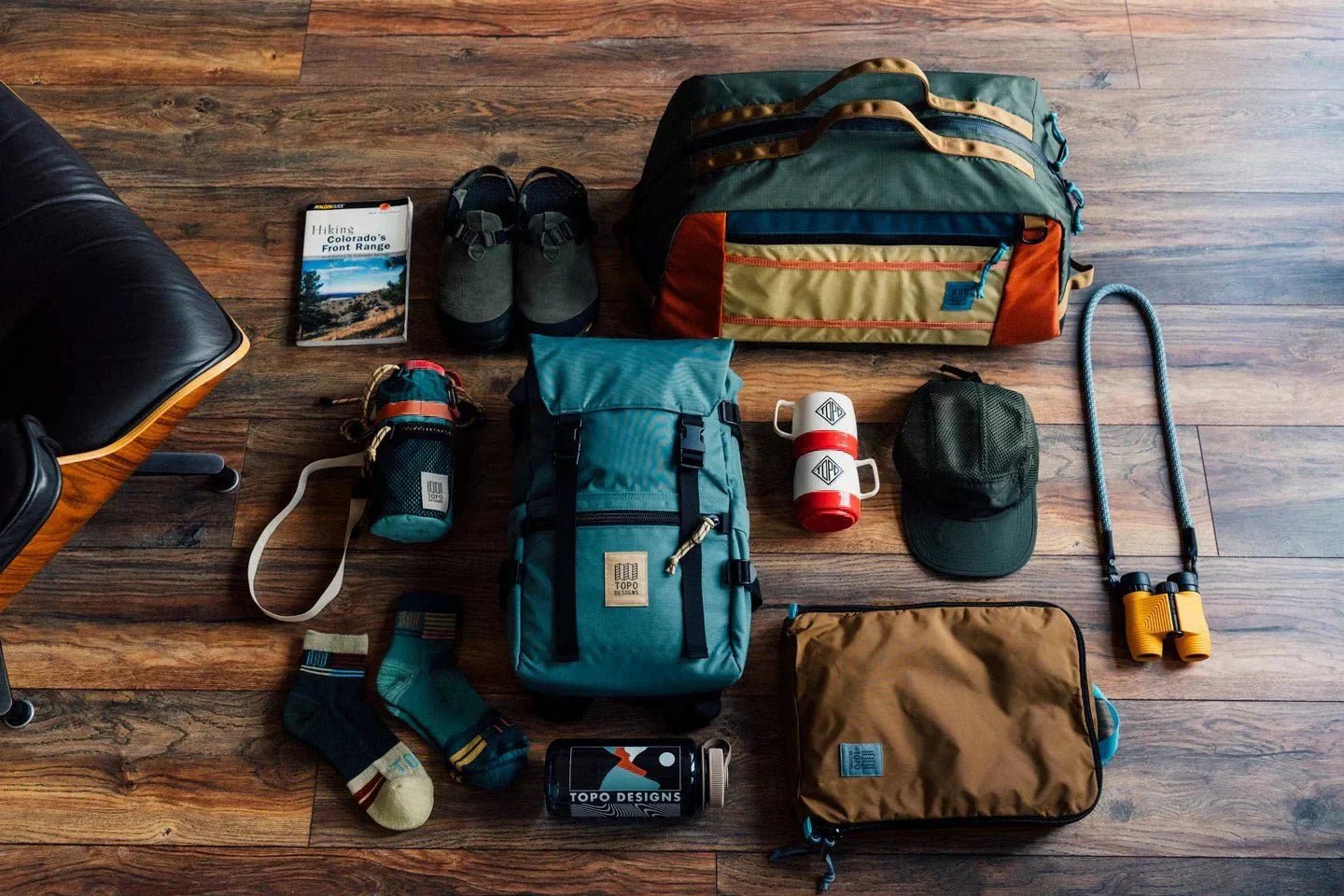
Notre collection de sacs de rangement comprend des cubes, des « Pochettes » et des organiseurs conçus pour s'intégrer parfaitement dans un sac à dos Topo sans perdre un pouce d'espace. Si vous transportez déjà un ordinateur portable la plupart du temps, un sac à dos pour ordinateur portable doté d'une housse rembourrée vous facilite la tâche, puisque l'objet le plus lourd est déjà placé bien contre votre dos.

Comment prépare-t-on un sac à dos pour un voyage par rapport à une excursion d'une journée ?
La règle des zones reste la même dans les deux cas, mais la répartition du contenu change. Pour une excursion d'une journée, le sac est en grande partie rempli d'air, et on le prépare de manière à pouvoir accéder rapidement à ses affaires. Pour un voyage, le sac contient principalement des vêtements, et on le prépare de manière à ce qu'il soit compact et respecte les limites de bagages à main.
Une brève comparaison pour un voyageur britannique voyageant en avion en Europe avec uniquement un bagage à main :
- Week-end ou petit séjour, un seul sac. Deux ou trois cubes de vêtements au fond et à l'arrière, une trousse de toilette et des chaussures au milieu, une pochette pour les appareils électroniques et le passeport tout en haut. Optez pour un sac de voyage d'une capacité de 30 à 40 litres.
- Que ce soit pour une sortie ou pour aller au travail. Un « Veste » plié au fond, un ordinateur portable dans la pochette rembourrée, un déjeuner ou une bouteille d'eau dans une poche latérale, les clés et une carte dans une poche supérieure. Un sac à dos de 20 litres suffit amplement.
- Randonnée d'une journée à la campagne. Un imperméable au fond du sac, une couche chaude et un panier-repas au milieu, une carte, un téléphone et un en-cas tout en haut. Un sac à dos de 20 à 30 litres suffit amplement.
Pour un séjour prolongé loin de chez soi, un sac de week-end offre davantage d'espace pour les cubes sans pour autant nécessiter de bagage en soute. Pour un voyage « un seul sac » respectant les limites de la franchise de bagages en cabine, un sac à dos de voyage à ouverture à clapet vous permet de le remplir comme une valise, à plat et par couches, plutôt que d'y fourrer vos affaires par une seule ouverture sur le dessus.
Comment faire pour que son sac à dos reste bien rangé quand on est en déplacement ?
Le scénario est toujours le même. Le premier jour, le sac est rangé par catégorie. Le troisième jour, c'est le bazar. Trois habitudes permettent d'éviter cela.
- Une poche, une seule fonction. La poche pour passeport reste la poche pour passeport, même s’il est tentant d’y glisser un ticket de caisse ou une carte d’embarquement dans la première poche venue. Chaque objet égaré implique de tout refaire.
- Refaites vos valises une fois par jour. Deux minutes à l'hôtel ou à la gare : remettez les cubes à leur place, regroupez les vêtements sales au même endroit, refermez la pochette pour appareils électroniques. Cela vous permet également de repérer tout ce que vous n'avez pas encore utilisé, c'est-à-dire généralement tout ce que vous pourrez laisser de côté la prochaine fois.
- Gardez une poche vide. Cette poche vide servira à ranger l'objet que vous tenez actuellement dans la main : lunettes de soleil, ticket de caisse, billet, ou encore un pull que vous venez d'enlever. Sans cela, les petits objets s'éparpillent dans tout le sac.
Le but de cette méthode n’est pas la perfection, mais la répétition. Un système de rangement qui fonctionne suffisamment bien lors du premier voyage et de manière identique lors du dixième l’emporte à chaque fois sur une organisation de type « Nouveauté ». Pour les déplacements quotidiens, qui suivent la même logique, nos sacs à dos de tous les jours conservent une forme qui permet de les plier à plat et de rester bien organisés lors des trajets quotidiens chargés. Pour les journées plus légères où un sac plein est superflu, un sac banane permet de garder l’essentiel à portée de main tout en gardant les mains libres.

Quelle taille de sac à dos choisir pour quel type de voyage ?
Un sac trop grand incite à trop le remplir, tandis qu'un sac trop petit oblige à emporter un deuxième sac. Les tailles indiquées ci-dessous correspondent aux volumes que les voyageurs britanniques choisissent le plus souvent, en fonction de ce qu'ils emportent réellement.
| Type de voyage | Volume | Ce qui convient | Meilleur sac de transport |
|---|---|---|---|
| Aller chercher les enfants à l'école ou faire une petite course | 10 à 15 L | Portefeuille, gourde, en-cas, petit livre | Sac banane ou mini-sac à dos |
| Trajet domicile-travail ou sortie | 18 à 22 L | Ordinateur portable de 13 à 15 pouces, déjeuner, imperméable, petite pochette | Sac à dos de tous les jours |
| Randonnée d'une journée ou longue sortie | 20 à 30 L | Vêtements imperméables, couche chaude, déjeuner, eau, carte, trousse de premiers secours | Sac à dos de jour avec poches |
| Week-end ou petite escapade | 30 à 40 L | Deux à trois cubes de linge, une pochette de lavage, des appareils électroniques, des chaussures | Sac à dos de voyage, format cabine |
| Voyage avec un seul bagage, d'une semaine ou plus | 40 L | Une semaine complète de vêtements rangés dans des cubes, classés par jour | Sac à dos de voyage à rabat |
Les volumes ne sont qu'un point de départ, pas un objectif. Un sac à dos de 30 litres bien organisé peut souvent contenir plus d'affaires utiles qu'un sac de 45 litres bourré à ras bord. Si vous passez régulièrement du bureau au train, puis partez en week-end, un seul sac polyvalent d'une capacité comprise entre 25 et 35 litres suffit pour ces trois situations : c'est là tout l'intérêt de l'approche « de la ville au sentier, en passant par le voyage ».
Questions fréquentes
Quelle est la bonne façon de faire son sac à dos ?
Organisez votre sac en trois zones. Placez les objets légers mais volumineux au fond, les objets lourds et compacts au centre, contre votre dos, et les petits objets que vous utilisez souvent sur le dessus. Veillez à ce que le poids total ne dépasse pas 20 % de votre poids corporel et réservez une poche pour votre passeport, vos clés ou un en-cas. Cette méthode convient aussi bien aux voyages qu’aux déplacements quotidiens et aux randonnées d’une journée.
Où faut-il placer les objets lourds dans un sac à dos ?
Les objets lourds doivent être placés au centre du sac, près de votre dos et à peu près à la hauteur de vos omoplates. Un ordinateur portable posé contre le panneau rembourré en est l’exemple classique. Un poids porté près du dos et près des hanches semble plus léger, tandis qu’un poids porté loin du corps vous fait perdre l’équilibre et vous fatigue plus vite.
Faut-il enrouler ou plier ses vêtements dans un sac à dos ?
Enroulez pour gagner du volume, pliez pour éviter les plis. Les vêtements enroulés dans un cube de rangement prennent moins de place et s'emboîtent les uns dans les autres pour former des blocs stables, ce qui est idéal dans un sac de voyage. Ne pliez un « Chemise » ou un « Veste » que si le fait d'éviter les plis est plus important que de gagner quelques centimètres. Pour la plupart des courts séjours, l'enroulement l'emporte.
À quel point faut-il remplir son sac à dos pour un voyage ?
Essayez de ne remplir votre sac qu’à environ 80 %. Un sac pas trop plein vous laisse de la place pour y glisser un souvenir, un Veste que vous aurez retiré ou un sac de courses acheté lors d’une étape en cours de route. Un sac bourré à craquer n’offre aucune marge de manœuvre, les fermetures éclair sont mises à rude épreuve et le réorganiser dans une chambre d’hôtel devient un véritable casse-tête. Cet espace supplémentaire vaut bien plus que l’ Chemise.
Les cubes de rangement, ça vaut le coup ?
Oui, pour la plupart des voyageurs. Les cubes permettent de transformer des vêtements souples en blocs stables qui s'empilent facilement et restent bien rangés tout au long d'une semaine de voyage. L'avantage n'est pas seulement une question de volume, mais aussi d'organisation. Il suffit de déballer un seul cube plutôt que tout le sac, et on repère ainsi ce qu'on n'a pas utilisé pour la prochaine fois. Pour une simple nuit, ils sont moins indispensables.
Points clés à retenir
- Choisissez la capacité de votre sac en fonction de la sortie la plus courte que vous comptez réellement faire, et non de la plus longue. Un sac à dos de 20 litres suffit amplement pour la plupart des utilisations quotidiennes.
- Pesez votre sac une fois fait sur un pèse-personne avant de partir. Un poids inférieur à 15 % de votre poids corporel est idéal pour une journée entière de voyage.
- Les cubes et les rangements « Pochettes » ne permettent de gagner de la place que si vous vous débarrassez également de ce que vous n'utilisez jamais. Choisissez un système adapté à une liste d' plus réduite.
- Laissez volontairement une poche vide. C'est l'emplacement réservé à l'objet que vous tenez à la main, et c'est ce qui empêche le sac de se transformer en un véritable fouillis dès le troisième jour.
- Réorganisez vos affaires une fois par jour, en respectant toujours le même ordre à chaque fois. Une méthode éprouvée vaut toujours mieux qu’une approche « au Nouveauté ».
- Pour les voyages en avion, préparez vos bagages en respectant la franchise la plus restrictive parmi celles dont vous bénéficiez, puis vérifiez les règles spécifiques de votre compagnie aérienne concernant les bagages à main avant de prendre l'avion.
Sources
- Conseil britannique d'alpinisme, recommandations sur le port de charges, mises à jour en juillet 2026.
- NHS, recommandations en matière d'activité physique pour les adultes, mises à jour en juillet 2026.
- The Guardian, rubrique « Voyages » consacrée aux bagages légers, consultée en juillet 2026.